
PVC Pipe Leak Detection & Repair in Beaverton, OR
PVC drain and vent pipe in Beaverton's newer homes is durable but not immune to failure. Joint adhesive failures, ground movement from seasonal Tualatin Valley soil cycles, and physical damage from renovation work are the primary failure points we find.
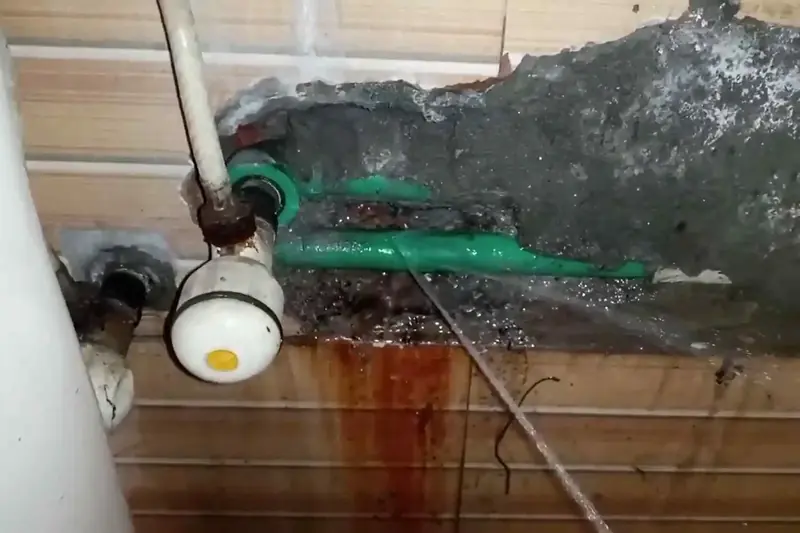
PVC pipe -- polyvinyl chloride -- is the dominant drain, waste, and vent material in Beaverton homes built after roughly 1980, and the dominant supply pipe in irrigation systems across the Washington County area. In residential construction, PVC is used for drain lines (typically white Schedule 40 pipe inside the home) and for underground sewer laterals and irrigation mainlines in the yard. It does not corrode the way copper or galvanized steel does, and it does not experience the chlorine-degradation issue that polybutylene does in municipal water systems. But PVC does fail, and the failure modes are specific enough to require targeted detection.
The most common PVC failure in Beaverton drain systems is joint failure -- the cemented hub-and-spigot connections where one pipe section fits into the socket of the next. PVC joints are created by applying solvent cement that chemically welds the pipe and fitting together. Done correctly, these joints are as strong as the pipe material itself. Done incorrectly -- using the wrong primer, under-applying cement, not allowing adequate cure time, or joining in cold wet weather -- the bond is weak and eventually fails under the thermal cycling and flow pressure of normal use.
PVC Drain Line Failures in Beaverton Homes
Drain line PVC leaks are particularly common following renovation work. A bathroom remodel or kitchen update that involves cutting into the drain stack to add a new connection creates multiple new joints, and any of those joints is a potential failure point. Drain line leaks are also common at the base of toilet flanges, where the flange-to-drain connection transitions between materials (a wax seal on top, PVC or ABS below). Water seeping past a failed toilet flange often migrates along the subfloor before appearing as a ceiling stain in the level below -- making the source location misleading until thermal imaging is used to trace the moisture path back to the actual entry point.
PVC in Beaverton's below-grade applications -- drain pipe running through or under concrete slabs, or buried drain lines in the yard -- is also subject to the seasonal soil movement that the Tualatin Valley's silty clay loam produces. The soil swells as it saturates in wet months and shrinks as it dries in summer. Over years, that cycling can shift buried PVC joints out of alignment, particularly where the pipe crosses between different soil types or where the pipe was not adequately bedded and backfilled during installation.
PVC Irrigation Pipe in Beaverton Yards
In-ground irrigation systems in Beaverton use PVC mainlines and lateral zone pipes running through the yard. These pipes are typically installed at 8-12 inch depth and join at zone valves, sprinkler heads, and manifold connections. Irrigation PVC fails at joint connections from freeze-thaw stress (Beaverton's occasional winter freezing events can crack a shallow PVC section), from soil movement, or from physical damage when the yard is disturbed by tree planting, fence installation, or other excavation work.
An irrigation mainline that leaks runs water continuously regardless of whether the controller is scheduling zones, because the mainline stays pressurized whenever the main irrigation shutoff is open. A leaking irrigation mainline will increase the TVWD bill year-round, not just during irrigation season. We check the irrigation mainline and manifold specifically when a TVWD bill increase does not correlate with in-house fixture usage or the seasonal irrigation schedule. For detailed information on our irrigation system assessment, see our irrigation leak detection service page.
Detection Approaches for PVC Leaks
PVC drain line leaks are typically found through drain camera inspection (to identify crack and joint-failure locations from inside the pipe), combined with moisture metering and thermal imaging to identify where the leaked water has migrated in surrounding materials. PVC supply-side leaks in irrigation mainlines respond to acoustic detection and pressure isolation, similar to copper supply leaks.
For underground PVC drain failures, we use drain camera inspection supplemented by acoustic detection for pressurized sections and visual inspection for gravity-drain sections. For Beaverton homeowners in Murray Hill, Sexton Mountain, Triple Creek, and Bonny Slope dealing with unexplained drain-side moisture, call (503) 974-3329. We distinguish PVC joint failures from root intrusion and from supply-side leaks before recommending any repair.
Frequently Asked Questions
Beaverton's marine west coast climate rarely produces sustained freezing temperatures, but occasional cold snaps and ice events -- like the 2021 ice storm -- do produce below-freezing conditions for 24-72 hours at a time. Shallow PVC irrigation pipe (8-12 inch depth) is more vulnerable than interior PVC during these events. Irrigation mainlines in Beaverton should be winterized by draining or blow-out before the first freeze risk each year. Interior drain PVC in heated spaces is generally not at freeze risk, but pipes in unheated crawlspaces or exterior walls can freeze if temperatures drop hard enough.
Failed PVC drain joints most commonly appear as ceiling stains or moisture on walls near drain pipe runs. Because gravity-drain PVC only carries water during active fixture use, a failed joint produces moisture that correlates with running water nearby -- running the shower, flushing the toilet, or draining the dishwasher produces a drip or wet spot in the level below. A failed joint that only leaks during active fixture use can go months before someone notices the stain, because the moisture dries between uses.
For drain applications, PVC has no meaningful corrosion exposure from Beaverton's water chemistry -- drain pipe carries waste water that does not stay in contact with the pipe wall long enough for soft-water chemistry to matter. For supply applications (CPVC, which is chlorinated PVC used for hot and cold supply), the material is corrosion-resistant to Bull Run water but can become brittle with age and crack at fittings as it approaches 25-30 years of service. PEX is generally preferred over CPVC for new supply installations in Washington County.
Schedule 40 PVC drain pipe has an expected service life of 25-40 years under normal indoor conditions. In below-grade applications in Beaverton's seasonally expansive soil, joints may develop problems before mid-life if installation bedding was inadequate. PVC in crawlspaces and basements that experience humidity or temperature swings ages faster than PVC in climate-controlled indoor spaces. Overall, properly installed residential drain PVC in Beaverton should provide 25-plus years of reliable service before joint failure becomes common.
Need PVC Pipe Leak Detection & Repair in Beaverton?
Oregon CCB licensed. Non-invasive detection first. Washington County specialists. 24/7 availability.
(503) 974-33299460 Adams St, Beaverton, OR 97003 | Washington County
Oregon CCB Licensed
Washington County Specialists
Non-Invasive Detection First
PVC Pipe Leak Detection & Repair in Beaverton, OR
Same-day service across Washington County. Non-invasive detection. Oregon licensed.
(503) 974-3329