
Water Heater Leak Detection & Repair in Beaverton, OR
A water heater leak in a Beaverton home can originate at the tank, at the temperature-pressure relief valve, or at the supply connections, three different failure points requiring three different fixes. We identify the exact source before any part is replaced.
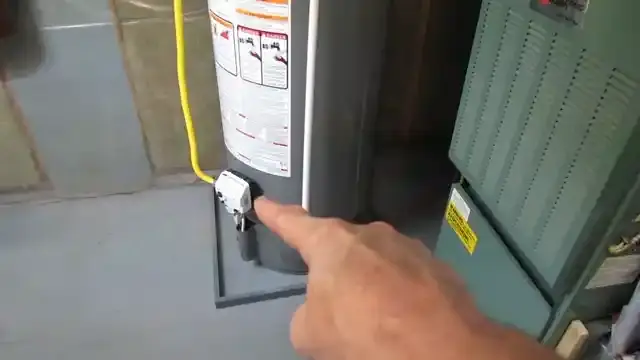
A water heater leak triggers differently than a hidden supply-line leak. The water is usually visible, pooling under the unit, running along the floor, or dripping from a connection point. But what is not always obvious is the exact failure source, and that source determines the repair. A tank body failure, a temperature-pressure relief (T&P) valve discharge, and a supply-line connection leak all look similar from the outside but have entirely different repair paths, costs, and urgency profiles.
Beaverton's marine west coast climate keeps water heater closets and utility spaces consistently cool and damp through the October-May wet season, conditions that accelerate exterior tank corrosion over time. A 10-to-15-year-old tank in a damp Beaverton utility room has experienced those conditions through multiple wet seasons, and the combination of age and ambient moisture accelerates the corrosion timeline compared to drier climates in the network.
The Three Failure Points We Find in Beaverton Water Heaters
Tank body failure: The water heater tank corrodes from the inside out when the anode rod (the sacrificial metal rod inside the tank designed to attract corrosion away from the tank walls) has depleted. Once the anode rod is gone, the tank walls absorb the corrosion directly. A small pinhole in the tank body is not repairable, a compromised tank requires replacement. In Beaverton, Bull Run water's very soft, low-mineral chemistry actually reduces the mineral scale that can coat and protect tank walls, making anode rod depletion monitoring important for Beaverton tank owners.
T&P valve discharge: The temperature-pressure relief valve is a safety device that opens when tank temperature or pressure exceeds safe limits, routing water through a discharge pipe to the floor. If the T&P valve drips or runs continuously, either the valve itself has failed (allowing it to open under normal operating conditions) or the water heater's temperature or pressure is genuinely elevated, a more serious situation requiring pressure regulator or thermostat evaluation. A dripping T&P valve is sometimes ignored as a minor nuisance; it is actually a safety signal that warrants same-day evaluation.
Supply connection leaks: The cold-water inlet and hot-water outlet connections at the top of the tank are the most common non-tank water heater leak source. These connections use threaded fittings, flexible supply lines, or dielectric unions that can corrode, crack, or loosen over time. In Beaverton homes with soft Bull Run water, dissimilar-metal connections (copper to galvanized, brass to steel) are more susceptible to galvanic corrosion at the joint because soft, low-mineral water is a slightly better conductor of galvanic activity than hard water. A dielectric union specifically prevents this, but older installations may not have one, or the existing one may have failed.
When a Water Heater Leak Means a Supply Line Problem
Occasionally a call framed as a water heater leak turns out to originate from a supply line failure in the wall above or adjacent to the water heater, not the unit itself. A pipe leak dripping onto the top of the water heater creates the appearance of a tank or connection leak. Our inspection includes checking the wall and ceiling surfaces above the unit with moisture metering before concluding the unit itself is the failure source.
For Beaverton and Washington County water heater leak assessment, call (503) 974-3329. Same-day service available. Water heater leak calls from Murray Hill and Cedar Hills often involve supply connection corrosion in addition to tank issues, so we assess the full system including the pressure regulator valve whenever tank pressure appears elevated. We identify the exact failure point before recommending a repair or replacement, and we coordinate with Oregon CCB and plumbing licensing requirements for all water heater installation work.
Water Heater Age and Beaverton's PNW Conditions
Tank water heaters carry a manufacturer's expected service life of 8-12 years. In Beaverton's damp utility environments, tanks approaching or exceeding 12 years old should be assessed proactively, not after a tank-body failure has flooded the utility space. A water heater in a Cedar Hills or Murray Hill home that is 10-plus years old and showing any of these signs, rust-tinted hot water, rumbling or popping sounds, small puddles under the unit, has reached the evaluation threshold. We provide a condition assessment alongside any leak repair to help Beaverton homeowners plan ahead rather than react to a full tank failure.
Frequently Asked Questions
The three most common failure points are: (1) Tank body corrosion, the tank wall develops a pinhole after the anode rod is depleted, usually in tanks over 10 years old. (2) T&P valve discharge, the safety relief valve drips or runs, indicating either a failed valve or elevated tank pressure/temperature. (3) Supply connection failure, the cold inlet or hot outlet fittings corrode or crack, producing a drip at the top of the tank. Each has a different repair path, so identifying the specific source before replacing parts matters.
Beaverton's soft Bull Run water affects tank water heaters in two ways. First, it does not form the mineral scale that can coat and partially protect tank interiors, so Beaverton tank water heaters may deplete their anode rods somewhat faster than tanks in hard-water markets. Second, soft water's slightly better galvanic conductivity accelerates dissimilar-metal corrosion at supply connections, particularly in older installations without dielectric unions. Annual anode rod inspection is especially worthwhile in Beaverton tank water heaters.
It warrants same-day evaluation. A T&P valve that drips under normal operating conditions is either a failed valve (false-tripping at safe pressure) or a signal that actual tank pressure or temperature is elevated above safe levels. If the valve is discharging significantly, that is a safety concern. If it is a slow drip, it is a diagnostic indicator that should not be ignored. Do not plug or cap a T&P valve discharge under any circumstance. Call (503) 974-3329 for same-day assessment.
Tank water heaters have an 8-12 year expected service life. In Beaverton's damp utility room conditions, we suggest assessment at 10 years for any tank showing discoloration, sediment in the hot water, rumbling during heating cycles, or any moisture around the base. A tank approaching 12 years without documented anode rod inspection is overdue for professional assessment. Proactive replacement is significantly less disruptive and less expensive than an emergency tank failure that floods a utility closet.
Need Water Heater Leak Detection & Repair in Beaverton?
Oregon CCB licensed. Non-invasive detection first. Washington County specialists. 24/7 availability.
(503) 974-33299460 Adams St, Beaverton, OR 97003 | Washington County
Oregon CCB Licensed
Washington County Specialists
Non-Invasive Detection First
Water Heater Leak Detection & Repair in Beaverton, OR
Same-day service across Washington County. Non-invasive detection. Oregon licensed.
(503) 974-3329