
Plumbing Leak Detection & Repair in Beaverton, OR
From galvanized pipe in pre-1960 Central Beaverton homes to PEX supply in newer Cooper Mountain builds, Beaverton's four housing eras mean four different plumbing contexts. We carry the detection equipment for all of them.
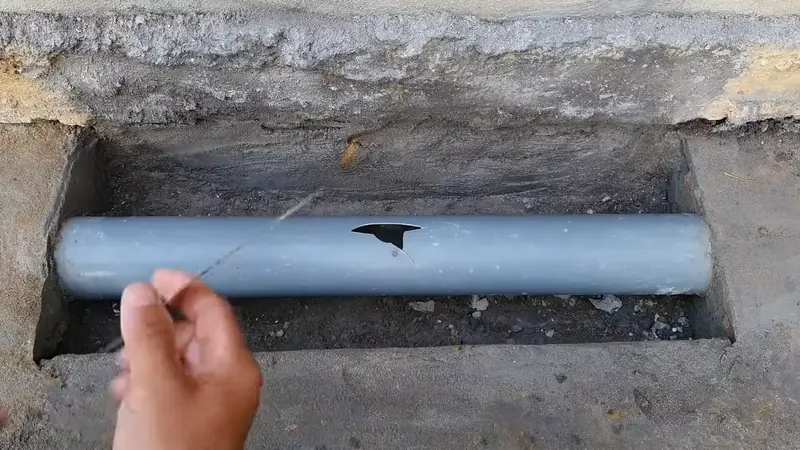
Plumbing leak detection in Beaverton is not a one-size-fits-all service because Beaverton's housing stock is not uniform. A pre-1960 bungalow in Central Beaverton with original galvanized supply and cast-iron drains presents a completely different set of failure points than a 2005 slab home in Triple Creek with PEX supply and PVC drains. The same symptom, an unexplained TVWD water bill increase, requires different diagnostic equipment and different methodology depending on the pipe material, foundation type, and age of the home.
Our plumbing leak detection service covers every pipe material and system configuration found across Beaverton's four housing cohorts. We carry acoustic listening equipment for pressurized supply-line leaks, thermal imaging cameras for moisture mapping and drain-line assessment, pressure testing equipment for isolating which supply zones are losing pressure, and drain cameras for evaluating sewer and drain line condition from the interior. The combination of methods lets us identify the failure source accurately regardless of whether the problem is above-grade or below-grade, in a crawlspace or behind drywall, in supply or drain systems.
Beaverton's Four Plumbing Eras
Pre-1960 homes (Central Beaverton, Vose, older West Slope): Original galvanized steel supply lines in these homes have exceeded their rated service life. Galvanized pipe corrodes from the inside out as zinc coating depletes, narrowing the interior diameter over decades. A galvanized supply line that originally carried 3/4-inch diameter flow may now carry 1/4-inch flow at reduced pressure. When pressure drops, rust-tinted water appears, or leaks emerge at threaded joints where corrosion has eaten through. Cast-iron drain stacks in these homes show tuberculation, cracking, and joint failure. Both supply and drain systems in this cohort are typically at or past replacement age.
1960s-1980s homes (Cedar Hills, Garden Home, Highland Beaverton): Copper supply lines in this cohort are now 45-65 years old and subject to the Bull Run soft-water pinhole corrosion pattern documented across the Portland metro area. This is the cohort generating the highest volume of hidden supply-line leak calls in Beaverton. Some 1980s installations also include polybutylene supply lines (gray plastic pipe), a material that degrades with chlorinated water and fails without warning. If gray polybutylene is present in a Beaverton home, proactive whole-house repipe is the recommended path.
1980s-2000s homes (Murray Hill, Sexton Mountain, Five Oaks): Mid-copper and early-PEX homes in this cohort may also have CPVC supply, which becomes brittle over time and fractures at fittings. Slab foundations in this era's Beaverton homes are subject to seasonal soil movement in the Tualatin Valley's silty clay loam, stressing slab supply lines at joints. Water heater supply connections in 20-to-40-year-old homes in this group are common leak points.
2000s-present homes (Cooper Mountain, Triple Creek, Bonny Slope): PEX supply and PVC drains are the dominant materials in Beaverton's newest construction. PEX is flexible, freeze-resistant, and generally reliable, but fitting failures at crimp or clamp connections do occur. Slab settlement is the primary slab-leak driver in this era rather than pipe age. Detection for PEX systems uses pressure testing and acoustic methods focused on fitting locations rather than pipe spans.
Detection-First: Why It Matters in Beaverton
The defining principle of our plumbing leak service is that no wall is opened, no floor is cut, and no trench is dug until we have identified the source. In Beaverton's older homes where exploratory demolition could mean opening significant lengths of wall in a historically detailed bungalow in Vose or Raleigh Hills, or in a Crawford-era ranch home in West Slope with original interior finishes, protection of the structure is part of the job. We use non-destructive detection methods to locate the failure precisely, minimizing the repair access to the smallest necessary opening.
For any plumbing leak in Beaverton or Washington County, call (503) 974-3329. Same-day service available. Oregon CCB and plumbing licensed. We serve all 29 areas including Cedar Hills, Murray Hill, Central Beaverton, and all surrounding Washington County communities.
Frequently Asked Questions
Detection method depends on pipe material and location. For pressurized copper or PEX supply lines, acoustic equipment listens for the escape-pressure sound signature through walls and floors. For drain lines, a camera inspection identifies cracks, root intrusion, and joint failures from the inside. For suspected slab leaks, pressure isolation testing combined with acoustic or tracer-gas methods pinpoints failures through concrete. Thermal imaging is used across all pipe types to map moisture spread and locate moisture sources that are not yet visible on surface materials.
Run the 60-second meter test: close every supply valve inside and outside the home, then check whether the TVWD meter moves over 15-30 minutes with everything off. If it moves, you have an active pressurized supply-line leak. The size of the leak correlates roughly with how fast the meter moves. A slow-turning dial suggests a small pinhole or dripping connection; rapid movement suggests a larger break. Note that this test confirms a supply leak only, drain line failures do not register on the supply meter.
Pre-1960 homes typically have galvanized steel supply and cast-iron drains. 1960s-1980s homes are predominantly copper supply with cast-iron drains. 1980s-2000s homes range from copper to CPVC to early PEX supply with cast-iron or ABS drain. Post-2000 homes are predominantly PEX supply with PVC drain. Some 1980s homes have polybutylene supply (gray plastic), a material known to fail and worth identifying if present. A professional assessment can confirm the pipe materials in your specific home before problems develop.
Yes. Oregon requires a current Oregon Construction Contractors Board (CCB) registration and Oregon plumbing license for all plumbing supply and drain repair work on residential and commercial properties. Unlicensed plumbing work can create insurance and liability complications for homeowners. We carry current Oregon licensing and provide documentation on request.
Need Plumbing Leak Detection & Repair in Beaverton?
Oregon CCB licensed. Non-invasive detection first. Washington County specialists. 24/7 availability.
(503) 974-33299460 Adams St, Beaverton, OR 97003 | Washington County
Oregon CCB Licensed
Washington County Specialists
Non-Invasive Detection First
Plumbing Leak Detection & Repair in Beaverton, OR
Same-day service across Washington County. Non-invasive detection. Oregon licensed.
(503) 974-3329