
Basement Leak Detection & Repair in Beaverton, OR
Beaverton's 37-inch wet season keeps Tualatin Valley soil saturated from October through May, and that constant hydrostatic pressure is the most common water intrusion cause in Cedar Hills, Raleigh Hills, and older Central Beaverton homes with basements or crawlspaces.
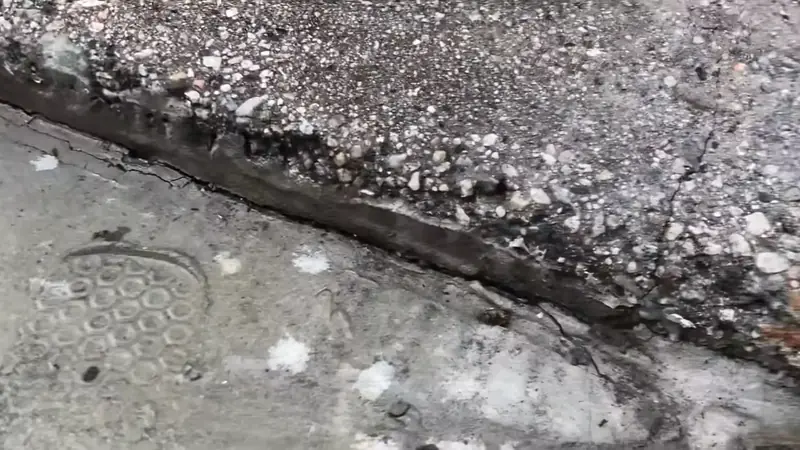
Pacific Northwest basements and crawlspaces operate in one of the wetter residential environments in the continental United States. Beaverton receives approximately 37 inches of rain annually, almost all of it concentrated between October and May. During that six-plus-month wet season, the Tualatin Valley's silty clay loam stays thoroughly saturated, and saturated soil surrounding a basement or crawlspace exerts hydrostatic pressure on the walls and floor from every direction simultaneously.
This is not a seasonal nuisance. Persistent hydrostatic pressure is a structural force. Over time it opens hairline cracks in poured-concrete walls, pushes through block-foundation mortar joints, and overwhelms vapor barriers in crawlspaces. Cedar Hills, Raleigh Hills, West Slope, and Central Beaverton have the highest density of older homes with basement and crawlspace construction, many of these structures were built before modern drainage standards were codified, and their perimeter drainage systems were not designed for the PNW winter load they face each year.
Plumbing Leak vs. Groundwater Intrusion
The first thing we determine on any Beaverton basement or crawlspace moisture call is whether you have a plumbing leak or a groundwater intrusion problem, these look similar but require entirely different fixes, and misidentifying the source is the most common reason homeowners spend money on the wrong repair.
Groundwater intrusion arrives through foundation walls and floor slabs, intensifies during and after rain events, and often leaves mineral deposits (efflorescence) on concrete surfaces from dissolved minerals carried by the migrating water. It may also correlate with the seasonal calendar, present in November through March, absent in dry summer months.
A plumbing leak is pressurized or gravity-drained water from your supply or drain system. It does not correlate with rainfall, it appears regardless of outdoor conditions, and the moisture source is traceable to a specific pipe, fixture, or fitting. Our detection process uses moisture meters, thermal imaging cameras, and pressure testing to isolate which type of moisture problem you have before any repair recommendation is made.
The Sump Pump Factor in Beaverton Basements
Most Beaverton basement and crawlspace homes rely on a sump pump as the primary defense against groundwater accumulation. A functioning sump pump keeps the water table below the foundation floor. A failed sump pump during a January storm in Washington County is an emergency, not a maintenance item that can wait.
We inspect sump pump condition and float mechanism operation as part of every basement moisture assessment. A pump that cycles too frequently (suggesting high groundwater or a plumbing leak feeding it), a pump that runs continuously, or a pump that has not cycled in months despite wet conditions all indicate a problem upstream of the pump itself. For sump pump issues, we identify whether the problem is the pump, the discharge line, the pit liner, or the perimeter drain system feeding it.
Crawlspace Moisture in Older Beaverton Homes
Many pre-1960 and 1960s-1970s Beaverton homes in Vose, West Slope, and older Central Beaverton were built on crawlspaces rather than full basements. These crawlspaces often have inadequate ventilation, aging vapor barriers, and soil-contact wood framing that deteriorates when moisture persists through winter. The combination of saturated Tualatin Valley soil and a crawlspace without proper drainage creates ideal conditions for wood rot, mold, and pest activity.
Our crawlspace leak assessment includes a full moisture survey of the space: checking for standing water, assessing vapor barrier condition, identifying plumbing penetrations that may be allowing moisture entry, and testing for supply-line or drain-line leaks within the crawlspace itself. Crawlspace plumbing is also common in older Beaverton homes, supply lines and drain pipes running through a damp, unheated crawlspace experience temperature and moisture stress that slab-home and basement-home plumbing does not.
When Basement Moisture Comes from the Roof, Not the Ground
Occasionally a call framed as a "basement leak" turns out to originate at the roof or at a second-floor bathroom. Water follows gravity and lateral pathways through wall cavities, and a roof penetration failure or a second-floor shower pan leak can appear as moisture in the lower level several feet away from the actual entry point. Our thermal camera distinguishes between a moisture source that is warm (consistent with a building interior plumbing source) and one that is cold (consistent with groundwater or exterior intrusion), an important diagnostic distinction that narrows the search quickly.
For Washington County homeowners in Cedar Hills, Raleigh Hills, and Garden Home dealing with unexplained basement or crawlspace moisture, call (503) 974-3329. We identify the source before recommending any repair, and we distinguish plumbing failures from groundwater problems every time.
Frequently Asked Questions
Seasonal basement leaks that track with the October-May wet season in Beaverton are almost always groundwater intrusion rather than plumbing leaks. The Tualatin Valley's silty clay loam stays saturated during winter rainfall, building hydrostatic pressure against basement walls and floors. During dry summer months, the water table drops and the pressure releases. This pattern points to foundation seepage, perimeter drain failure, or sump pump issues, not a broken supply pipe. We assess both scenarios on every call to confirm which problem you have.
Post-storm standing water in a Beaverton crawlspace is most commonly a groundwater intrusion problem: the sump pump is failing, the perimeter drain is clogged, or the vapor barrier has failed. However, we always check for plumbing contributions, a dripping supply joint or a drain line with a slow seep can add to the water level without being obvious. Our moisture assessment isolates the plumbing vs. groundwater contribution before recommending a drainage or plumbing repair.
Pour a 5-gallon bucket of water directly into the sump pit. Within 30-60 seconds the float should rise and the pump should activate, running until the pit is empty, then shutting off. If the pump does not activate, runs continuously, or cycles on and off without fully clearing the pit, the pump, float, or discharge line has a problem. In Beaverton's October-May wet season, a sump pump failure is an emergency. Call (503) 974-3329 for same-day sump pump inspection.
Yes. A supply line leak above the basement can migrate water downward through floor assemblies and wall cavities, appearing as ceiling moisture or wall staining in the level below, sometimes a considerable distance from the actual pipe failure. Our thermal imaging camera distinguishes between moisture sources by temperature, which helps us identify whether the water is coming from a warm interior plumbing source or a cold exterior groundwater source.
Need Basement Leak Detection & Repair in Beaverton?
Oregon CCB licensed. Non-invasive detection first. Washington County specialists. 24/7 availability.
(503) 974-33299460 Adams St, Beaverton, OR 97003 | Washington County
Oregon CCB Licensed
Washington County Specialists
Non-Invasive Detection First
Basement Leak Detection & Repair in Beaverton, OR
Same-day service across Washington County. Non-invasive detection. Oregon licensed.
(503) 974-3329