
Shower Pan Leak Detection & Repair in Beaverton, OR
A shower pan failure in a Beaverton home sends water through the floor assembly into the subfloor, framing, and potentially the ceiling below -- all while the tile surface looks completely intact. Non-invasive flood testing confirms the failure before any tile is removed.
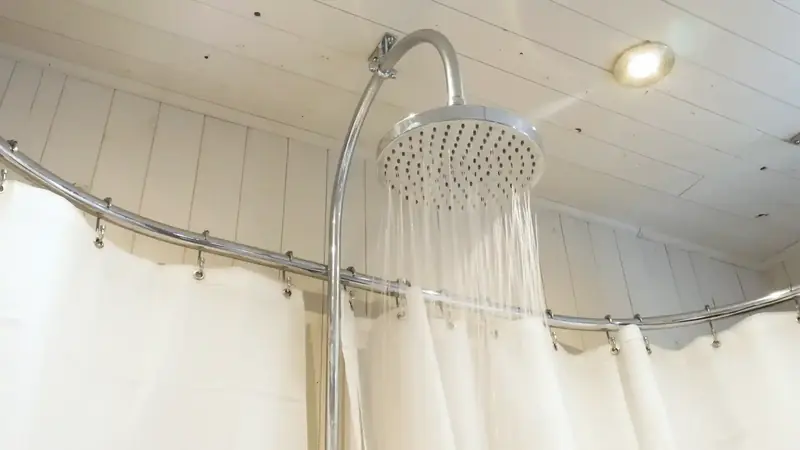
A shower pan is the waterproofing system that lines the shower floor below the tile, designed to collect any water that penetrates the tile surface and route it back to the drain. When the pan fails -- through liner membrane cracking, hot-mop deterioration, inadequate original installation, or damage from tile setting -- water escapes through the pan into the subfloor assembly below. Because the tile surface above looks completely intact and the shower drain continues to function normally, pan failures can run for months or years before a ceiling stain below or a soft spot in an adjacent floor reveals that water has been migrating through the structure.
Beaverton's 1960s-1990s tile showers are the highest-risk group. Older shower installations in Cedar Hills, Raleigh Hills, West Slope, and Murray Hill commonly used chlorinated polyethylene (CPE) liner membranes or hot-mop lead pans that are now 30-60 years old. Both materials have service life limits: CPE liners typically last 20-25 years before brittleness and cracking; hot-mop lead pans have variable longevity depending on original installation quality. A shower in a Cedar Hills home that has never had the pan replaced since the 1975 original installation is statistically overdue for pan failure.
The Flood Test: Confirming a Pan Failure Without Demolition
The definitive non-invasive test for a shower pan failure is the flood test. The process:
First, we plug the shower drain with an inflatable test plug or a tight-fitting stopper. Then, we fill the shower floor with water to a depth of approximately 1-2 inches above the shower curb level, covering the pan area without reaching grout lines in the walls. We mark the water level on the side of the shower. The shower is left undisturbed for 24 hours. After 24 hours, if the water level has dropped and no other evaporation explanation exists, the pan is leaking. We simultaneously monitor the ceiling below and the subfloor area under the shower with a moisture meter to confirm where the water is emerging from the pan failure.
This test distinguishes a pan failure from a drain connection failure (which only leaks with active flow, not static water) and from a supply valve failure (which adds water rather than losing it). The flood test is the industry standard for shower pan assessment and is required documentation for most tile replacement or shower renovation insurance claims in Oregon.
Shower Pan Repair Options in Beaverton
Once pan failure is confirmed, the repair scope depends on the pan type, the extent of subfloor damage, and the homeowner's longer-term plans for the shower:
Liner membrane replacement: The tile is removed, the mortar bed or substrate below is assessed for saturation damage, the old liner is removed, and a new liner (CPE, PVC, or modern sheet membrane) is installed before re-tiling. This is the full repair and restores the shower to a new-pan condition. For older Cedar Hills and Raleigh Hills tile showers, this is often combined with tile replacement that was already under consideration.
Surface-applied waterproofing over existing tile: In some cases where the tile condition is otherwise good and the pan liner failure is early-stage, a surface-applied waterproofing system (painted-on crystalline waterproofing or sheet membrane over existing tile) can extend the pan life without full demolition. This approach is more limited in longevity than liner replacement and is not appropriate where subfloor saturation has already occurred.
For shower pan leak testing and repair assessment in Beaverton and Washington County, call (503) 974-3329. We document the flood test results, assess subfloor moisture extent using thermal imaging and moisture metering, and provide a repair scope recommendation before any tile is removed. When subfloor damage is found, we coordinate with our bathroom leak detection assessment to document the full moisture extent before any demolition begins. Homeowners in Cedar Hills and Raleigh Hills with original 1960s-1980s tile showers should consider proactive pan assessment as part of any bathroom renovation planning.
Frequently Asked Questions
The flood test distinguishes the two. Block the shower drain completely and fill the floor with 1-2 inches of water. Mark the water level and wait 24 hours. If the water level drops with the drain blocked and no active flowing water involved, the pan itself is leaking -- water is escaping through the waterproofing membrane rather than the drain. If the water level holds with the drain blocked but moisture appears when you run the shower with the drain open, the leak is at the drain connection, not the pan.
CPE liner membranes, the most common residential pan material in Beaverton's 1970s-1990s showers, have a typical service life of 20-25 years. Hot-mop lead pans from earlier installations can last longer but are subject to lead-joint cracking at the drain connection. Pre-formed fiberglass pan bases typically last the life of the shower unit. A tile shower in a Cedar Hills or Raleigh Hills home built before 1990 that has never had the pan replaced is statistically overdue for assessment, particularly if the shower is used daily.
Yes -- and in Beaverton's persistently humid Pacific Northwest climate, the damage is often more severe than in drier regions. Water escaping through a failed pan into the subfloor framing maintains enough moisture to sustain mold growth and accelerate wood rot through the wet season, when ambient humidity is already high. A pan that has been leaking for one wet season in a Beaverton home can produce significant damage to floor joists and subfloor sheathing directly below the shower, sometimes requiring structural repair before the shower can be rebuilt.
A tile shower pan consists of a waterproofing liner membrane (CPE, PVC, or hot-mop) installed below a mortar bed and tile surface. The liner can fail through cracking or joint failure while the tile above remains intact. A prefab fiberglass or acrylic shower base is a single molded unit with no separate waterproofing layer -- failure typically involves cracking of the fiberglass body itself, which is visible on the surface. Tile shower pan failures are far more common in Beaverton's older housing stock because of the liner membrane age; fiberglass base failures are more common in newer construction from impact damage or flexing from inadequate support beneath the pan.
Need Shower Pan Leak Detection & Repair in Beaverton?
Oregon CCB licensed. Non-invasive detection first. Washington County specialists. 24/7 availability.
(503) 974-33299460 Adams St, Beaverton, OR 97003 | Washington County
Oregon CCB Licensed
Washington County Specialists
Non-Invasive Detection First
Shower Pan Leak Detection & Repair in Beaverton, OR
Same-day service across Washington County. Non-invasive detection. Oregon licensed.
(503) 974-3329