
Drain Leak Detection & Repair in Beaverton, OR
Drain leaks in Beaverton homes do not show up on your TVWD bill -- they are gravity-flow, not pressurized. But they cause the same water damage, mold, and structural deterioration as supply-side leaks, and they are often harder to find because they only leak during active fixture use.
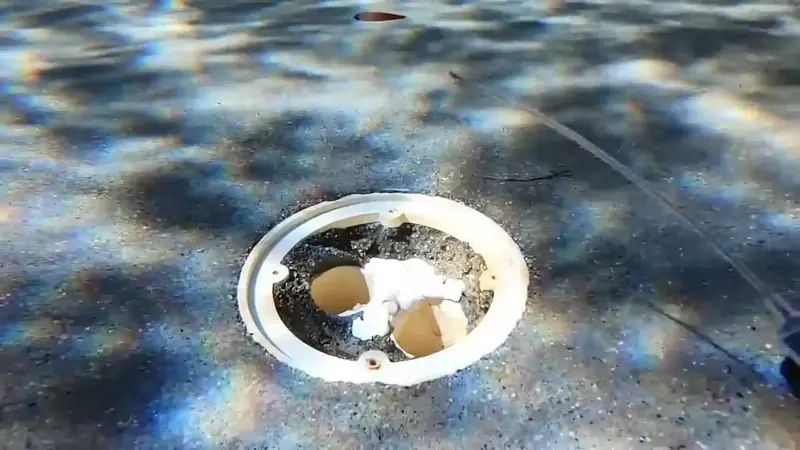
Drain leaks present a detection challenge that supply-side leaks do not: they only lose water when water is actively flowing through the drain. Turn off all fixtures and a supply leak continues running; a drain leak stops completely. This means the classic meter test that confirms a supply-line failure does not work for drain-side failures. Detection requires running water through the suspect drain while monitoring downstream for moisture, which typically means using thermal imaging or moisture metering with fixtures in use.
Drain leaks also damage in a specific pattern. Because waste water passes through the drain system and into the sewer, it carries organic material along with moisture. A drain leak inside a wall cavity or floor assembly introduces both water and organic drain residue into the building materials -- which creates a more aggressive mold and odor environment than a clean supply-water leak in the same location. Beaverton homes with undetected drain leaks behind shower walls, under sinks, or in floor assemblies below toilets frequently show accelerated wood rot and persistent odor even after the leak is repaired.
Where Drain Leaks Develop in Beaverton Homes
P-trap and under-sink connections: As covered in our sink leak detection service, the slip-joint connections in P-trap assemblies use rubber washers that degrade with age. Older cast-iron or galvanized P-traps in pre-1980 Central Beaverton and Vose homes are particularly susceptible to joint failure and internal corrosion.
Drain stacks and vent connections: The main drain stack carries waste from upper-floor bathrooms through the wall cavity to the basement or crawlspace and out to the sewer lateral. Stack connections at each floor level use hub-and-spigot joints (in older cast-iron) or cemented PVC joints (in newer construction). A failed stack joint inside a wall produces moisture that migrates through the floor assembly and appears as a ceiling stain in the level below -- often far from the actual failure point because water follows framing and insulation paths.
Shower drain assemblies: The shower drain body, the drain flange, and the connection between the drain and the P-trap below are all failure points in shower systems. A shower drain with a failed connection at the drain body leaks every time the shower is used, directing water under the shower floor and eventually into the subfloor assembly. This failure is distinct from a shower pan leak, which involves water escaping through the waterproofing membrane rather than the drain connection itself.
Floor drain connections: Basement and crawlspace floor drains in older Beaverton homes connect to the sewer system through joints that can fail from settlement or corrosion. A failed floor drain connection may allow drain odor into the space without an active leak, or may leak during heavy sewer system loading -- a relevant consideration given Beaverton's aging sewer infrastructure in Central Beaverton and Vose.
Drain Camera Inspection for Beaverton Drain Failures
Drain camera inspection is the primary diagnostic tool for drain-side failures in Beaverton homes. A fiber-optic camera inserted through a cleanout or drain opening travels the pipe interior, revealing cracks, joint separations, root intrusion, and corrosion from the inside. For stack and lateral failures hidden inside wall cavities, a camera inspection from the nearest cleanout access identifies the failure location without opening the wall at all.
For drain leak detection and repair across Beaverton and Washington County, call (503) 974-3329. We serve older neighborhoods with cast-iron drain stacks -- Central Beaverton, Vose, and older Cedar Hills -- where drain system age is the primary driver of failure, as well as newer construction where installation defects are the more common cause.
Frequently Asked Questions
The key diagnostic difference is whether the leak is continuous or fixture-dependent. Supply leaks are pressurized and lose water continuously -- run the TVWD meter test and the meter will move even with all fixtures off. Drain leaks only lose water when a fixture is actively draining -- flush the toilet or run the shower and moisture appears; stop the flow and no new moisture develops. Drain leaks also do not show on the TVWD supply meter because the water already passed through the meter before entering the drain system.
In Beaverton's wet marine climate, drain-wall leaks typically cause faster and more severe mold growth than equivalent supply-water leaks. Drain water carries organic material that, combined with Beaverton's persistent ambient humidity, creates an aggressive mold environment in enclosed wall cavities. A shower drain connection that has leaked for six months in a Cedar Hills or Murray Hill home will typically show black mold on the subfloor framing members below the shower by the time it is found.
Floor drains connect to the sewer system through a P-trap that maintains a water seal against sewer gas intrusion. If a basement floor drain is rarely used, the trap water evaporates and breaks the seal, allowing sewer gas to enter the space. Pour a quart of water into the floor drain to restore the trap seal -- if the odor persists after refilling the trap, a failed drain connection or a venting problem may be allowing sewer gas to bypass the trap. A drain camera inspection identifies trap and connection condition.
A drain leak is a failure at the drain connection -- the mechanical joint between the drain body and the P-trap below the floor. A shower pan leak is a failure in the waterproofing membrane lining the shower floor and walls, allowing water to escape through the pan itself rather than through the drain. Both produce moisture under the shower floor, but the repair is different: a drain connection failure requires re-plumbing the drain joint, while a shower pan failure requires removing the tile and repairing or replacing the waterproofing layer.
Need Drain Leak Detection & Repair in Beaverton?
Oregon CCB licensed. Non-invasive detection first. Washington County specialists. 24/7 availability.
(503) 974-33299460 Adams St, Beaverton, OR 97003 | Washington County
Oregon CCB Licensed
Washington County Specialists
Non-Invasive Detection First
Drain Leak Detection & Repair in Beaverton, OR
Same-day service across Washington County. Non-invasive detection. Oregon licensed.
(503) 974-3329