
Shower Leak Detection & Repair in Beaverton, OR
A shower leak in a Beaverton home can originate from four distinct locations: the supply valve, the grout and tile, the shower pan, or the drain connection. Each requires a completely different repair -- and misidentifying the source is the most common reason the first repair attempt fails.
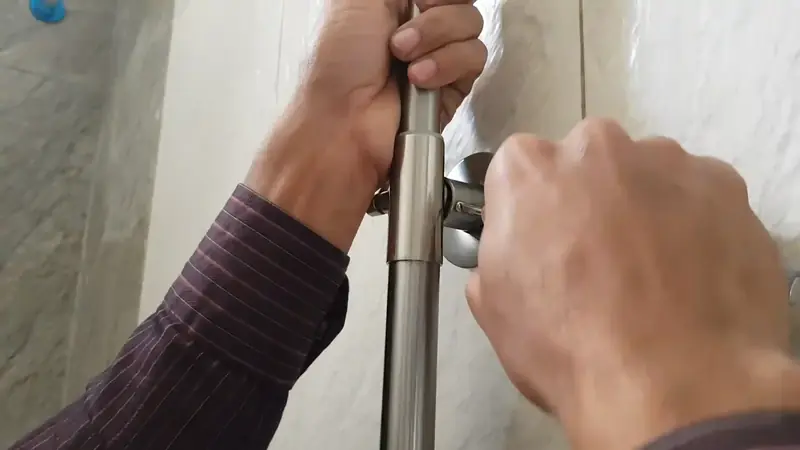
Shower leaks in Beaverton homes generate more misdiagnosed repair attempts than almost any other plumbing issue. The problem is simple to describe -- moisture under the shower floor, a stain on the ceiling of the room below, or water appearing at the base of a shower wall -- but the source can be one of four completely different failure types. A supply valve leak, a grout or caulk failure, a shower pan waterproofing failure, and a drain connection failure each produce moisture in the same general area of the bathroom floor assembly, but each requires a fundamentally different repair. The wrong fix wastes money and leaves the actual problem unaddressed.
Our shower leak assessment starts by identifying the source category before any repair recommendation is made. We use a systematic process of elimination: testing supply valve condition under pressure, running water with the drain blocked (shower pan test), testing with the drain open (drain connection test), and thermal imaging to map where moisture has already migrated in the surrounding floor and wall assemblies. The combination of these tests typically identifies the failure source category within one inspection visit.
Four Shower Leak Sources in Beaverton Homes
Supply valve leaks: The shower valve controls water flow and temperature mixing at the wall. Older shower valves in pre-1990 Beaverton homes -- particularly single-handle pressure-balancing valves installed in the 1970s-1980s Cedar Hills and West Slope build-out -- have internal cartridges and O-rings that degrade with age. A drip from the showerhead when the valve is fully off, or a leak behind the valve trim at the wall escutcheon, indicates a valve cartridge or O-ring failure. This failure type is entirely supply-side and can be confirmed by the TVWD meter test showing movement even when the shower is not in use.
Grout and tile failures: Grout sealing the tile joints in a shower wall or floor can crack, shrink, and allow water to penetrate behind the tile surface. This water then migrates through the substrate (cement backer board or older gypsum board in pre-1990 installations) and into the wall framing. Grout failure is not a plumbing leak -- it does not involve a pipe or fitting -- but it produces identical symptoms: moisture in the wall assembly, ceiling stains below, and structural wood rot in the framing if left unaddressed. Older tile showers in Cedar Hills and Raleigh Hills homes, where original 1960s-1970s tile installations are still in service, commonly show grout cracking and voids along the floor-wall transition.
Shower pan failures: The shower pan is the waterproofing membrane that lines the shower floor below the tile. A failed pan allows water to escape through the pan rather than down the drain -- the tile and drain are intact, but water seeps through failed or cracked waterproofing into the subfloor below. Pan failures are most definitively tested by blocking the drain, filling the shower floor to a depth of about 1 inch with water, and monitoring the floor assembly below for moisture over 30-60 minutes. See our dedicated shower pan leak detection service for the full assessment and repair process.
Drain connection failures: The drain body connecting the shower floor to the P-trap below can fail at the drain flange, at the drain-body-to-pipe connection, or at the P-trap joint beneath the floor. This failure only leaks when water is actively flowing through the drain -- blocking the drain stops the leak, which distinguishes it from a pan failure. Drain connection failures require access to the drain body, typically from below (crawlspace) or through the ceiling of the room below the shower.
For shower leak detection in Beaverton -- whether your shower is in a Cedar Hills ranch home, a Murray Hill subdivision, or a newer Bonny Slope construction -- call (503) 974-3329. We identify the source before any wall or floor tile comes up.
Frequently Asked Questions
Block the shower drain with a stopper or inflatable test plug and fill the shower floor to about 1 inch of water depth. Wait 30-60 minutes and check the subfloor or ceiling below the shower for any new moisture. If moisture appears with the drain blocked and water sitting on the shower floor, you have a pan failure -- the water is escaping through the pan waterproofing rather than the drain. If no moisture appears with the drain blocked, run the shower with the drain open and check again. Moisture that appears only with flowing drain use indicates a drain connection failure rather than a pan failure.
Ceiling stains below a shower are one of the most common ways shower leaks are discovered in multi-story Beaverton homes -- not by seeing moisture in the shower itself, but by finding a water stain on the ceiling of the room directly below the shower. By that point the leak has been active long enough to saturate the subfloor assembly, travel through ceiling framing, and wet the ceiling drywall below. The subfloor framing under the shower is typically the most severely damaged material by the time the ceiling stain appears.
Intermittent shower leaks most commonly indicate a grout or caulk failure that allows water penetration only when specific wall surfaces are fully saturated. Tile grouting in the floor-to-wall corner and along the top of the shower curb requires saturation before water finds the void and migrates behind the tile. A short shower may not saturate the grouting sufficiently to produce a leak; a longer shower with direct spray on the wall does. Intermittent leaks that correlate with longer shower duration or direct wall spray are typically grout or caulk failures rather than drain or pan failures.
Oregon homeowners policies typically cover sudden and accidental water damage from covered plumbing failures but not the cost of repairing the leak itself. A shower valve failure that causes sudden water damage to the subfloor and ceiling below may have the resulting structural damage covered, while the valve repair itself is excluded. Gradual leaks from grout failure or slow pan deterioration are typically excluded entirely as maintenance items. Document the failure timing and cause carefully for any insurance claim.
Need Shower Leak Detection & Repair in Beaverton?
Oregon CCB licensed. Non-invasive detection first. Washington County specialists. 24/7 availability.
(503) 974-33299460 Adams St, Beaverton, OR 97003 | Washington County
Oregon CCB Licensed
Washington County Specialists
Non-Invasive Detection First
Shower Leak Detection & Repair in Beaverton, OR
Same-day service across Washington County. Non-invasive detection. Oregon licensed.
(503) 974-3329