
Sink Leak Detection & Repair in Beaverton, OR
Sink leaks in Beaverton homes develop in three zones: the supply connections feeding the faucet, the drain connections below the basin, and the sink-to-countertop seal. Each zone requires a different fix -- and slow leaks in enclosed cabinets often go undetected until cabinet rot or mold sets in.
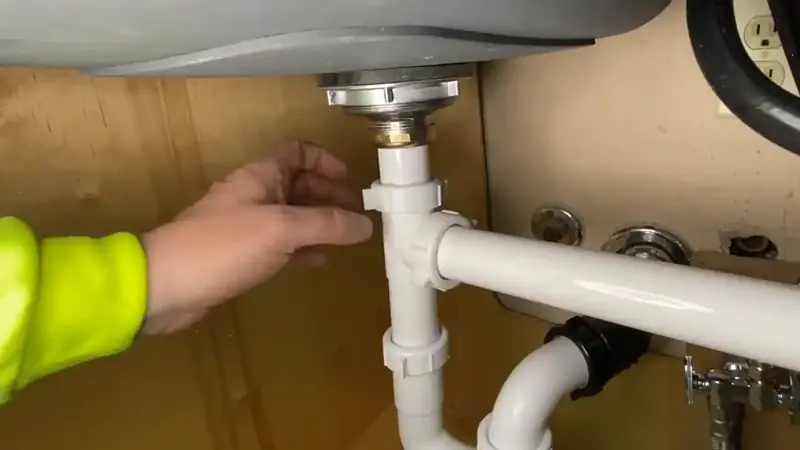
Sink leaks are deceptively quiet failures. A dripping faucet announces itself with every drop, but a failing drain connection under the sink, a slow weep from a supply hose, or a degraded caulk seal between the sink and the countertop all lose water in an enclosed space -- inside a cabinet, behind a panel, or into the subfloor. In Beaverton homes where kitchen and bathroom cabinets sit on wood subfloors, enclosed sink leaks can produce significant wood rot and mold growth before any visible surface evidence appears. By the time a homeowner notices a warped cabinet floor or a musty odor under the sink, the leak has typically been active for weeks or months.
The Pacific Northwest climate makes this worse. Beaverton's ambient humidity during the October-May wet season -- consistently high even inside the home -- means that moisture that would dry out quickly in a drier climate persists much longer in a Beaverton cabinet space. A slow drip that wets the cabinet floor twice a day in a Murray Hill kitchen can maintain enough moisture to sustain mold growth without ever producing standing water. Detection of early-stage under-sink leaks in Beaverton homes requires moisture metering the cabinet walls and floor in addition to visual inspection.
Supply Side: Connections Under the Sink
Every kitchen and bathroom sink in Beaverton has two supply connections: a hot water line and a cold water line, each running from a shutoff valve (angle stop) to the faucet body through a flexible supply hose. These connections are the most common source of under-sink moisture in Beaverton homes, and also the most preventable. Braided stainless supply hoses have a rated service life of approximately 10-15 years; the hoses under a sink installed in a 1995 Murray Hill kitchen remodel are now 30 years old and well past that rating.
Failure modes at supply connections include: hose body cracking or bulging (the woven sheath masks the inner hose condition until failure), compression fitting corrosion at the shutoff valve, and fitting thread failure at the faucet body inlet. We check all under-sink supply hoses and shutoff valves for corrosion, fitting condition, and hose body integrity on every sink assessment call -- replacing an aging supply hose proactively costs far less than replacing a rotted cabinet floor. For supply hose failures that have already caused cabinet damage, our faucet leak repair service includes damage documentation.
Drain Side: P-Trap, Drain Basket, and Disposal Connections
The drain side of a kitchen or bathroom sink carries only gravity-flow water, but that does not mean it is leak-free. The drain basket (the assembly connecting the sink basin to the drain pipe) can fail at the putty seal between basket and basin, at the lock nut below the basin, or at the basket body itself if corrosion has eaten through. A failed drain basket seal leaks every time the sink is used -- the water appears at the bottom of the cabinet and is often misidentified as a supply connection leak because the two occur in the same space.
The P-trap (the curved pipe section below the drain that creates a water seal against sewer gas) uses slip-joint connections in older installations. These connections rely on rubber washers that harden and fail with age. In pre-1990 Central Beaverton and Cedar Hills homes with original chrome or galvanized P-trap assemblies, both the trap body and the washers may be at end of life. Plastic P-trap assemblies in newer homes are more durable but can be cross-threaded during under-sink access for other work, which produces a leak at that joint only.
Garbage disposals add a third failure point: the flange connection between the disposal inlet and the drain basket can develop a leak at the mounting ring seal, producing water at the disposal body during drain use. See our garbage disposal leak repair page for assessment and repair detail.
For sink leak detection and repair anywhere in Beaverton or Washington County, call (503) 974-3329. We serve all 29 areas including Cedar Hills, Murray Hill, and Central Beaverton. If an under-sink leak has already caused cabinet damage, we document the extent of moisture penetration before the repair begins.
Frequently Asked Questions
Empty the cabinet and press a dry paper towel against every connection point under the sink: the supply hose connections at the shutoff valves and at the faucet body, the drain basket connection at the basin bottom, the P-trap connections, and the disposal mounting ring if a disposal is present. Then run the sink at full flow for 60 seconds and check the paper towels for any moisture. Also press the paper towel against the cabinet floor and walls to check for historic moisture absorption. A moisture meter provides more reliable results than visual inspection alone.
The most common sources of under-cabinet moisture without a faucet drip are: a failed drain basket seal (leaks when the sink is in use, not between uses); a P-trap slip-joint with a hardened washer (leaks when water flows through the trap); a supply hose weeping at a fitting (continuous slow drip between uses); or a garbage disposal mounting ring failure (leaks when the disposal runs or water drains through it). Each failure appears in the same location -- the cabinet interior -- but each requires a different repair.
Yes -- and Beaverton's consistently humid Pacific Northwest climate makes mold growth from sink leaks more likely than in drier climates. A slow drip that wets the cabinet floor during each use can maintain enough moisture for mold growth even without standing water. The enclosed cabinet space with poor air circulation allows the moisture to persist without drying between uses. Once mold establishes in a sink cabinet, it typically requires removing the cabinet floor and treating the subfloor material beneath it before a clean repair is complete.
Braided stainless supply hoses are typically rated for 10-15 years. If you have hoses in a Beaverton home that were installed more than 15 years ago, proactive replacement is worth scheduling regardless of visible condition -- the braided sheath masks the inner hose condition, and failure is often sudden rather than gradual. Hoses in homes with older galvanized shutoff valves should also be inspected at the valve end, where corrosion at the fitting is more common than on the hose body itself.
Need Sink Leak Detection & Repair in Beaverton?
Oregon CCB licensed. Non-invasive detection first. Washington County specialists. 24/7 availability.
(503) 974-33299460 Adams St, Beaverton, OR 97003 | Washington County
Oregon CCB Licensed
Washington County Specialists
Non-Invasive Detection First
Sink Leak Detection & Repair in Beaverton, OR
Same-day service across Washington County. Non-invasive detection. Oregon licensed.
(503) 974-3329