
Faucet Leak Detection & Repair in Beaverton, OR
A dripping faucet in a Beaverton home wastes 3,000 gallons per year at one drip per second -- enough to fill a standard bathtub 36 times. Most faucet failures trace to worn cartridges, O-rings, or corroded valve seats that are straightforward repairs.
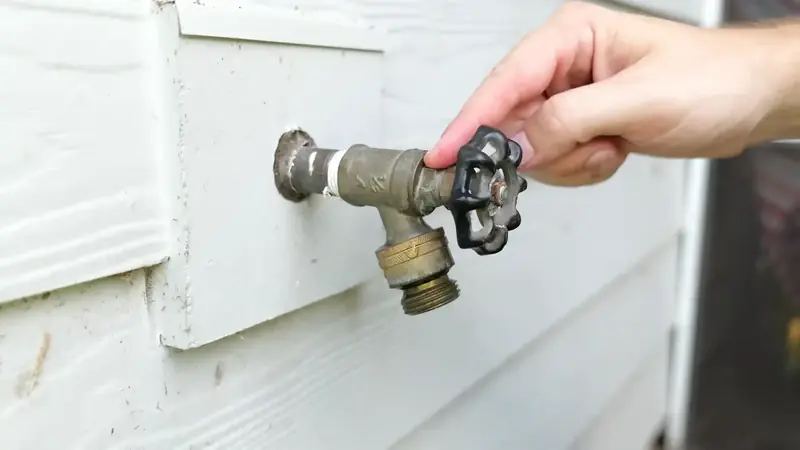
Faucet leaks are the most visible plumbing problem in any Beaverton home -- a dripping kitchen or bathroom faucet announces itself with every drop. What is less obvious is the cumulative water waste: one drip per second loses approximately 3,000 gallons per year at TVWD rates, adding roughly $18-$22 to an annual water bill. A faster drip -- which many homeowners characterize as "not that bad" -- can reach 6,000-10,000 gallons of annual waste. The repair cost is almost always lower than one year's worth of the wasted water charge.
Beyond the visible drip at the spout, faucet-related leaks also develop at the supply connections under the sink -- the braided stainless or chrome-plated supply hoses that connect the shutoff valves to the faucet body. These under-sink connections are rarely inspected until a problem appears, and a slow weep from a supply hose can saturate the cabinet base, rot the sink cabinet floor, and eventually reach the subfloor before anyone notices. The supply hose failure at a kitchen sink is a common source of the cabinet-under-sink mold problem we find in older Cedar Hills and Murray Hill homes during bathroom or kitchen updates.
Faucet Failure Types in Beaverton Homes
Ball faucets (single-handle, common in kitchens): The rotating ball mechanism controls both hot-cold mixing and flow volume. Internal O-rings, springs, and seats wear over time. Drips at the spout indicate worn seats or springs; leaks at the handle base indicate failed O-rings. Beaverton's soft Bull Run water does not leave mineral scale on ball faucet components the way hard-water supplies do -- which can actually allow mineral-scale-induced wear to go unchecked longer than in harder-water cities.
Cartridge faucets (single or double handle, very common in bathrooms): A cartridge slides to control flow and temperature. Cartridge O-rings and the cartridge body itself wear with use and age. Drips at the spout when the faucet is off indicate a failed cartridge that cannot fully close. These are typically straightforward repairs -- the cartridge is removed and replaced with a matching unit.
Compression faucets (two-handle, older installations in pre-1980s Beaverton homes): A rubber washer compresses against a seat to stop flow. Worn washers produce the classic slow drip. Central Beaverton, Vose, and older Raleigh Hills homes with original bathroom fixtures from the 1960s-1970s may still have compression faucets. Replacement washers cost under $1; valve seat corrosion that prevents a new washer from sealing requires reseating or replacement of the valve body.
Ceramic disc faucets (single lever, wider body, newer installations): Two ceramic discs control flow and temperature through precise alignment. They are extremely durable but not immune to failure -- the discs can crack, and the inlet seals degrade with age. Unlike other faucet types, ceramic disc failures are often an intermittent rather than constant drip, making them harder to diagnose by feel alone.
Supply Connection Leaks at Kitchen and Bathroom Sinks
Under-sink supply connections are the second most common faucet-adjacent leak source in Beaverton. The flexible supply hoses connecting shutoff valves to the faucet body fail through: hose aging and cracking (braided stainless hoses have a 10-15 year service life), compression fitting failure at the shutoff valve or faucet connection, and corrosion at the shutoff valve body itself. We inspect under-sink connections for early signs of failure -- corrosion at fittings, moisture staining on cabinet walls, or white mineral deposits from historic drips -- on every faucet assessment call.
For faucet repair and under-sink supply connection assessment in Beaverton and Washington County, call (503) 974-3329. We also handle faucet leaks that have already caused under-sink cabinet damage -- see our sink leak detection page for damage assessment scope. Homeowners in Cedar Hills and Raleigh Hills with older two-handle compression faucets should consider proactive assessment as original fixtures approach 50 years of service.
Frequently Asked Questions
At one drip per second -- which most people would describe as a slow but consistent drip -- a faucet wastes approximately 3,000 gallons per year. At TVWD's current residential rate structure, that adds roughly $18-$22 to the annual water bill. A faster drip that fills a cup in 15 minutes (about 4 drips per second) wastes closer to 12,000 gallons per year. The actual repair -- a replacement cartridge, washer, or O-ring -- typically costs $10-$30 in parts and 30-60 minutes of labor, compared to years of wasted water charges.
The most common causes by faucet type: compression faucets drip from worn rubber washers (very common in pre-1980s Beaverton homes with original fixtures); cartridge faucets drip from worn cartridge O-rings or a failed cartridge body; ball faucets drip from worn springs, seats, or O-rings inside the ball assembly; ceramic disc faucets drip from cracked discs or degraded inlet seals. In all cases the drip at the spout indicates the valve is not fully closing, while a leak at the handle base indicates an O-ring failure in the body of the faucet.
Quality kitchen faucets typically last 15-20 years with normal use. Beaverton's soft Bull Run water is actually gentler on faucet internals than hard water, since it does not deposit mineral scale that accelerates wear on ceramic and rubber components. However, soft water is slightly more corrosive to metal components over extended periods. A kitchen faucet in a Cedar Hills or Murray Hill home approaching the 15-20 year mark that starts dripping has likely reached its service life and may be better replaced than rebuilt, depending on the fixture quality and replacement part availability.
Yes -- under-sink supply hose failures are one of the most common sources of cabinet base rot and mold in Beaverton homes. A slow weep from a compression fitting under the sink drips onto the cabinet floor with every use, and because it is enclosed, the moisture never fully dries. Over months, the cabinet floor swells, warps, and eventually rots. We inspect under-sink connections during every faucet call and flag early signs of supply hose aging before the cabinet damage begins.
Need Faucet Leak Detection & Repair in Beaverton?
Oregon CCB licensed. Non-invasive detection first. Washington County specialists. 24/7 availability.
(503) 974-33299460 Adams St, Beaverton, OR 97003 | Washington County
Oregon CCB Licensed
Washington County Specialists
Non-Invasive Detection First
Faucet Leak Detection & Repair in Beaverton, OR
Same-day service across Washington County. Non-invasive detection. Oregon licensed.
(503) 974-3329