
Pipe Leak Detection & Repair in Beaverton, OR
Four housing eras mean four distinct pipe failure patterns across Beaverton. Pre-1960 galvanized in Central Beaverton, 1970s copper in Cedar Hills, polybutylene risk in 1980s homes, and PEX in newer Cooper Mountain builds -- each requires a different detection approach.
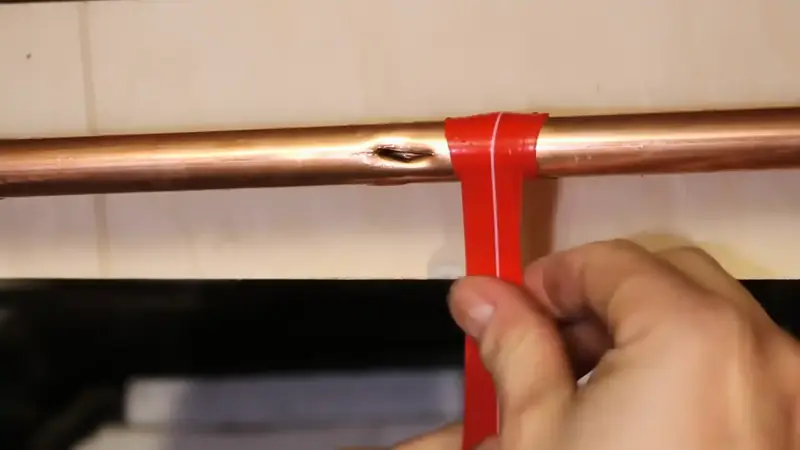
A pipe leak in Beaverton means something different depending on when and where the home was built. The city's housing development spans more than 130 years -- from the original Central Beaverton bungalows built in the early 1900s to the Cooper Mountain and Triple Creek subdivisions still under construction today. Each development era used the dominant pipe materials of its time, and each of those materials ages in a predictable way that shapes how we detect and repair the failure.
Our pipe leak detection process starts with identifying the pipe material and system configuration before reaching for any detection equipment. A galvanized steel supply line in a Vose bungalow fails from inside-out corrosion that narrows the flow diameter over decades -- an acoustic sensor will find the leak point, but the repair context is different from a pinhole in a 1970s copper line or a fitting separation in a newer PEX system. Knowing the material changes what equipment we lead with and what repair conversation we have after.
Galvanized Pipe in Pre-1960 Beaverton Homes
Central Beaverton, Vose, older West Slope, and parts of Raleigh Hills have a significant stock of homes built before 1960 with original galvanized steel supply lines. These pipes have exceeded their rated service life in nearly every case. Galvanized pipe corrodes from the inside as the zinc coating depletes, building up iron oxide deposits (rust) that progressively reduce the interior flow diameter. A 3/4-inch galvanized line in a 1940s Central Beaverton home may now carry the equivalent flow of a 1/4-inch pipe -- which explains the chronic low-pressure complaints in these homes even without an active leak.
When galvanized pipe does leak, it typically fails at threaded joint connections where the corrosion has eaten through the remaining wall thickness, or mid-span where pitting has reached full depth. The rust-tinted water that often appears at faucets in these homes is a visible indicator of advanced interior corrosion. We assess galvanized pipe condition as part of any leak detection call in these neighborhoods, and we flag when the overall pipe condition indicates that a whole-house repipe will deliver better long-term value than repeated repair of individual failure points.
Copper Pipe in 1960s-1990s Beaverton Homes
Cedar Hills, Garden Home, Highland Beaverton, Murray Hill, and Sexton Mountain homes built in the 1960s through early 1990s are predominantly copper supply. This cohort is the most active for pipe leak calls in Beaverton today, driven by the well-documented soft-water corrosion pattern: Bull Run water's ultra-low mineral content (under 10 mg/L hardness) combined with copper pipe now 35-65 years old produces pinhole pitting failures that appear behind walls without visible warning.
Copper pipe also fails at fittings -- sweat-soldered joints that have been subjected to repeated thermal cycling (hot water expanding and contracting the pipe daily for decades) eventually crack or pull away from the fitting socket. These fitting failures are distinct from pinhole corrosion and respond well to targeted replacement of the fitting and adjacent pipe section. Our copper pipe leak detection process isolates whether the failure is corrosion-driven (pinhole) or mechanical (fitting/joint) before we recommend repair scope.
Polybutylene Pipe in 1980s Washington County Homes
Some Beaverton homes built in the 1980s -- particularly in Murray Hill, Sexton Mountain, and parts of Five Oaks -- were plumbed with polybutylene supply pipe (gray plastic, often marked "PB" or "Quest"). Polybutylene was installed across the United States in the late 1970s through mid-1990s and was later found to be susceptible to degradation from chlorine in municipal water, leading to brittleness and fitting failures without warning. Oregon's municipal water systems, including TVWD, use chlorine disinfection -- which means polybutylene installed in Beaverton homes has been experiencing the degradation mechanism since installation.
Polybutylene does not respond to repair the way copper or PEX does -- a failed poly fitting or cracked pipe section can be patched, but the system-wide degradation continues regardless of individual repairs. The standard recommendation when polybutylene is confirmed in a Beaverton home is full replacement rather than targeted repair. If gray plastic pipe is present in your Murray Hill or Sexton Mountain home, call (503) 974-3329 for an assessment before a failure creates a larger problem.
PEX Pipe in Newer Beaverton Homes
Cooper Mountain, Triple Creek, Bonny Slope, and Whitford homes built from the late 1990s onward are predominantly cross-linked polyethylene (PEX) supply. PEX is flexible, does not corrode, and handles freeze-thaw cycles better than copper -- a useful property in Beaverton during the occasional hard-freeze winter events like the 2021 ice storm. PEX failure modes are concentrated at fittings: crimp rings, clamp connections, and push-fit connectors can fail from improper installation, tool-related installation defects, or physical movement that over-stresses a connection point.
PEX leaks are less common than copper failures of comparable age, but they do occur -- particularly in homes where a previous plumbing repair was made by a non-licensed contractor who used incompatible fitting types or under-crimped connections. We use electronic leak detection and pressure isolation to identify PEX fitting failures in newer Beaverton construction. Reach out to Cooper Mountain and Triple Creek homeowners specifically about PEX fitting assessment following any significant movement or seismic activity, as joint integrity can be compromised by soil shift without an immediately visible leak.
Frequently Asked Questions
The easiest check is your home's construction era and any accessible pipe sections at the water heater, under sinks, or in the crawlspace. Pre-1960 Beaverton homes typically have dull silver-gray galvanized steel pipe. 1960s-1990s homes usually have shiny copper or copper-colored pipe. 1980s homes may have gray plastic polybutylene (labeled PB or Quest). Post-2000 homes commonly have red and blue flexible PEX tubing. Drain pipes are most often white PVC (newer homes) or black ABS (mid-era) or gray cast iron (older homes).
Individual galvanized failures can be repaired by cutting out the affected section and inserting a coupling. However, galvanized pipe that has developed one active leak has typically reached systemic corrosion age throughout the system -- the repair holds but a second failure appears nearby within months. In Central Beaverton and Vose homes where the galvanized supply is original to the 1930s-1950s construction, whole-system replacement in copper or PEX is usually the more economical path over a 5-10 year horizon than repeated individual repairs.
Oregon homeowners insurance policies vary, but most do not cover polybutylene pipe replacement as a maintenance item -- only damage from a specific sudden pipe failure event. Some insurers now exclude polybutylene homes from coverage or surcharge them significantly, particularly as the material's failure rate increases with age. If your Beaverton home has polybutylene supply and you are unsure of your coverage status, review your policy exclusions or contact your insurer.
A 1987 build date in Beaverton puts the home in the polybutylene-era range (late 1970s to mid-1990s). Not all 1980s Beaverton homes were plumbed with poly -- copper was also used in this era, and some homes have a mix. Check the accessible pipe at the water heater or under a sink: gray plastic pipe with gray, white, or blue fittings is polybutylene. If confirmed, a professional assessment of fitting condition and system pressure is warranted, followed by a replacement planning conversation.
A full burst is a different situation than a slow supply leak -- water is actively flooding the space rather than seeping into it over time, and the cleanup afterward becomes its own project. a local flood cleanup crew is the kind of specialist worth having on hand for that specific aftermath, wherever you happen to be located.
Mechanically no, but access is usually easier since the cabinet gives a direct view of the supply and drain connections. The failure modes -- corroded fittings, worn compression connections, cracked flexible supply lines -- are the same ones we see everywhere else in the house. an emergency line-repair team covers the kitchen-specific version of this in more detail for readers outside our service area.
Need Pipe Leak Detection & Repair in Beaverton?
Oregon CCB licensed. Non-invasive detection first. Washington County specialists. 24/7 availability.
(503) 974-33299460 Adams St, Beaverton, OR 97003 | Washington County
Oregon CCB Licensed
Washington County Specialists
Non-Invasive Detection First
Pipe Leak Detection & Repair in Beaverton, OR
Same-day service across Washington County. Non-invasive detection. Oregon licensed.
(503) 974-3329