
Electronic Leak Detection in Beaverton, OR
Electronic leak detection amplifies the pressure-escape signature of a supply-line failure through walls, slabs, and soil -- pinpointing the repair location without exploratory demolition. Used on copper, PEX, galvanized, and PVC pressurized systems in Beaverton and Washington County.
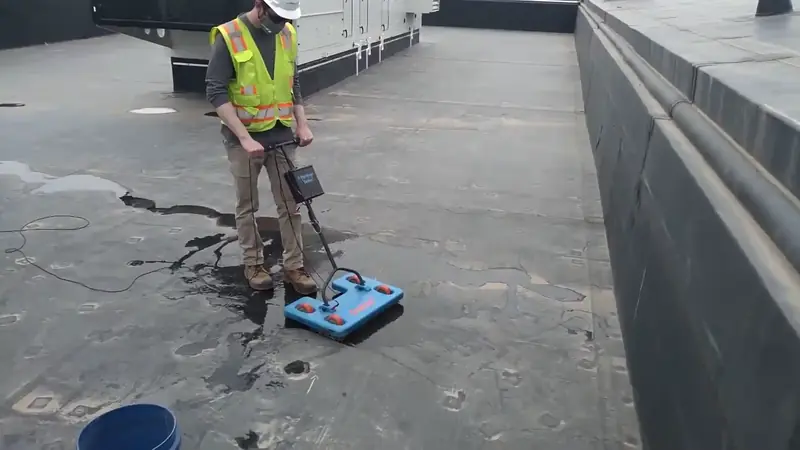
Electronic leak detection is the term used in Beaverton's plumbing industry for the full technology suite that locates hidden pressurized supply-line failures: amplified contact microphones (acoustic sensors), signal-processing electronics that filter background noise and enhance the leak-frequency signal, and sometimes electromagnetic pipe-location components that identify buried pipe routes before scanning. The result is a non-invasive process that marks the repair point on the wall, floor, or ground surface before any access is made.
For Beaverton's slab-foundation neighborhoods -- Murray Hill, Sexton Mountain, Five Oaks, Cooper Mountain, and Triple Creek -- electronic detection is the standard first method for slab leak assessment. A technician positions electronic sensors at systematic points across the concrete floor surface above the suspected supply line route, listening for the pressure-escape sound through the concrete. The signal peaks directly above the failure, allowing a single targeted core drill rather than a speculative section of jackhammered floor.
Electronic Detection for Beaverton's Pipe Materials
Electronic leak detection works across all pressurized pipe materials in Beaverton's housing stock, with performance differences based on the acoustic transmission characteristics of each material:
Copper pipe (the dominant material in Cedar Hills, Garden Home, and 1960s-1990s Beaverton construction) is the best acoustic transmitter in residential plumbing. Copper conducts the leak sound efficiently both along the pipe and through surrounding materials, producing a clear, strong signal that resolves well with electronic sensors. The pinhole leaks common in Beaverton's soft-water copper cohort are almost always detectable acoustically.
PEX pipe (the dominant material in post-2000 construction in Cooper Mountain, Triple Creek, and Bonny Slope) absorbs more acoustic energy than copper. PEX leak detection requires positioning sensors closer to the failure point, which means narrowing the search zone more precisely through pressure isolation before deploying acoustic equipment. Fitting failures in PEX -- the primary failure mode in newer Beaverton construction -- are locatable electronically when the pressure isolation correctly identifies the affected zone.
Galvanized pipe (in pre-1960 Central Beaverton and Vose homes) transmits acoustic signals reasonably well, though corrosion and tuberculation can create background noise that competes with the leak signal. For galvanized systems, we combine acoustic detection with systematic pressure testing to identify the failure section before scanning.
The Detection-First Standard for Beaverton Leak Repair
Electronic detection makes detection-first repair possible: locating the failure precisely before deciding how to access it minimizes the repair opening, protects interior finishes in historically significant older Beaverton homes, and reduces the disruption to tile, hardwood, and concrete surfaces in all construction eras. A repair opening sized to the actual failure location -- 6 to 10 inches of wall or a single concrete core -- is recoverable with standard finish work. A speculative open-and-search approach can require opening 4-8 linear feet of wall or floor before the failure is found.
For electronic leak detection services in Beaverton and Washington County, call (503) 974-3329. We serve slab neighborhoods including Murray Hill, Five Oaks, and Cooper Mountain, as well as the older crawlspace neighborhoods where copper-pipe electronic detection is the primary tool.
Frequently Asked Questions
Electronic detection identifies the leak location non-invasively from the surface before any access is made. The technician uses amplified contact sensors on the wall, floor, or ground surface to detect the sound of pressurized water escaping through the pipe breach. The marked location guides a targeted repair access -- a single small opening at the confirmed failure point. Digging or opening without detection first is speculative -- the failure location is unknown and a significant amount of material must be removed before the source is found, usually along the entire suspected pipe route.
Yes. Electronic sensors placed on a finished concrete basement floor detect the acoustic signal of a supply-line failure beneath the slab, even through the concrete thickness. The signal resolution is somewhat reduced compared to direct-contact detection on bare concrete, but for active leaks with reasonable flow rates, the failure can typically be located within 6-12 inches through a finished floor. For extremely slow leaks, we may supplement electronic detection with pressure isolation to narrow the search area first.
In Murray Hill, Sexton Mountain, and Five Oaks slab homes from the 1985-2005 build era, the most common electronically-detected slab leak is a copper supply-line failure -- either a pinhole in the line itself or a failed soldered fitting connection. Seasonal soil movement in Beaverton's Tualatin Valley silty clay loam stresses the joints in buried copper supply lines over years of wet-dry cycling. The electronic detection process finds the failure point through the slab without knowing in advance which fitting or pipe section has failed.
You or an authorized representative needs to be present to provide access to the home and any locked utility spaces, crawlspaces, or equipment rooms. The detection process itself is quiet and non-disruptive -- there is no equipment noise and no access holes are made during detection. We typically work through a single room or area at a time, so you can remain in other parts of the home during the scan. The full detection process takes 1-3 hours depending on home size and the number of zones to be checked.
Need Electronic Leak Detection in Beaverton?
Oregon CCB licensed. Non-invasive detection first. Washington County specialists. 24/7 availability.
(503) 974-33299460 Adams St, Beaverton, OR 97003 | Washington County
Oregon CCB Licensed
Washington County Specialists
Non-Invasive Detection First
Electronic Leak Detection in Beaverton, OR
Same-day service across Washington County. Non-invasive detection. Oregon licensed.
(503) 974-3329