
Acoustic Leak Detection in Beaverton, OR
Acoustic leak detection uses contact microphones to amplify the sound pressurized water makes escaping through a breach -- locating pinhole leaks in copper pipe, slab supply lines, and buried laterals without opening walls or digging speculatively.
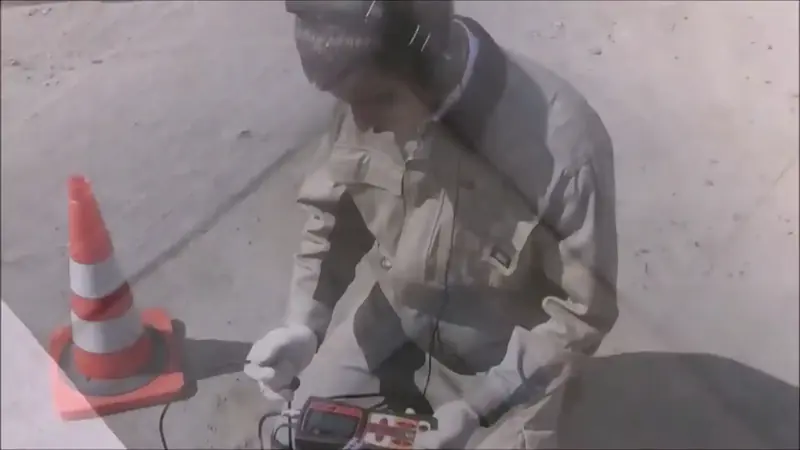
Acoustic leak detection is the foundation of non-invasive leak location for pressurized supply systems. When water escapes through a small opening in a supply line under pressure, it produces a distinctive sound -- a hiss, a turbulent rumble, or a combination -- at a frequency and amplitude determined by the pipe size, water pressure, and the size of the breach. A sensitive contact microphone amplified by leak detection equipment picks up that sound through the material between the sensor and the pipe: drywall, concrete, soil, or subfloor assemblies. The technician traces the signal to its peak amplitude, which marks the leak location to within a few inches.
In Beaverton, acoustic detection is the primary method for two of the city's most common leak types: pinhole leaks in 1960s-1990s copper supply lines in Cedar Hills, Garden Home, and Highland Beaverton, and slab supply-line failures in Murray Hill, Sexton Mountain, and Five Oaks subdivisions. Both failure types are pressurized, continuous, and below the visible surface -- exactly the conditions where acoustic detection performs best.
How Acoustic Detection Works in Beaverton Homes
The acoustic detection process for a supply-line leak in a Beaverton home follows a systematic pattern. First, we confirm via pressure testing or TVWD meter test that an active pressurized leak exists. Second, we identify the approximate affected zone through pressure isolation -- closing valves and watching which branch loses pressure. Third, we trace the known pipe route for that zone along the wall or floor surface, placing the contact sensor at intervals and listening for the escape-pressure sound signature.
The sound travels best along the pipe material itself -- copper is an excellent conductor of acoustic energy, which means copper-system pinhole leaks in Cedar Hills homes transmit the signal efficiently through the pipe and into surrounding materials. PEX pipe absorbs more acoustic energy than copper, so PEX failures in newer Cooper Mountain and Triple Creek homes require the sensor to be positioned closer to the actual failure point to achieve resolution. For below-slab PEX failures in Murray Hill homes, we combine acoustic detection with pressure isolation to narrow the search area before acoustic scanning, since below-slab PEX transmits less signal to the surface than copper.
Acoustic vs. Other Detection Methods
Acoustic detection excels at locating active pressurized supply-line leaks with high precision, but has limitations where the acoustic signal is masked or absent. Low-pressure leaks may not generate enough sound to detect acoustically. Drain-side failures carry no supply pressure and therefore produce no acoustic signature. Extremely small leaks at very low flow rates may be below the detection threshold in noisy environments. For these cases, we supplement acoustic methods with thermal imaging (which detects moisture migration rather than the sound of the leak) or tracer gas detection (which identifies the leak point through gas migration rather than sound).
For most supply-line leak detection in Beaverton -- particularly in the copper-pipe neighborhoods of Cedar Hills, Garden Home, and Highland Beaverton -- acoustic detection is the first tool deployed. Call (503) 974-3329 for same-day acoustic leak detection throughout Washington County.
Frequently Asked Questions
Acoustic detection works on active, pressurized supply-line leaks -- any pipe that carries water under pressure and has a breach that allows water to escape. This includes copper pinhole leaks in walls, PEX or copper slab supply-line failures, service lateral failures in the yard, and irrigation mainline leaks. It does not work on drain-side failures (which carry no supply pressure), on very slow leaks below the acoustic threshold, or on leaks in un-pressurized systems.
Acoustic detection typically narrows a supply-line failure to within 2-6 inches along the suspected pipe route in wall-mounted copper systems. Slab-mounted systems typically resolve to within 6-12 inches depending on slab thickness and pipe depth. The precision is sufficient to make a targeted single-opening repair rather than speculative demolition. Factors that reduce accuracy include: very small leak rates, background noise from nearby traffic or machinery, and pipe materials that absorb acoustic energy (such as PEX compared to copper).
The terms are often used interchangeably in the field, but they refer to slightly different aspects of the same technology. Acoustic detection refers to the listening and amplification component -- picking up sound from the leak source. Electronic detection refers to the broader system that includes the amplifier, signal processing, and sometimes electromagnetic location components that help identify pipe routes in addition to listening for leaks. In practice, both terms describe the same non-invasive, contact-microphone-based technology for locating pressurized supply-line failures.
For a focused search where the leak zone has already been narrowed by pressure testing -- for example, a known pressure loss in the cold water supply to the master bathroom -- acoustic scanning of the suspected wall or floor section typically takes 30-60 minutes to locate and mark the failure point. A whole-house acoustic survey without prior zone isolation takes 2-3 hours. We typically begin with pressure testing to narrow the search zone before deploying acoustic equipment, which makes the acoustic scan faster and more precise.
Need Acoustic Leak Detection in Beaverton?
Oregon CCB licensed. Non-invasive detection first. Washington County specialists. 24/7 availability.
(503) 974-33299460 Adams St, Beaverton, OR 97003 | Washington County
Oregon CCB Licensed
Washington County Specialists
Non-Invasive Detection First
Acoustic Leak Detection in Beaverton, OR
Same-day service across Washington County. Non-invasive detection. Oregon licensed.
(503) 974-3329