
Tracer Gas Leak Detection in Beaverton, OR
Tracer gas detection introduces a non-toxic hydrogen-nitrogen mixture into a pressurized pipe under test. The gas migrates through the soil and surfaces above the leak point, where a calibrated sensor detects the trace concentration -- locating failures that acoustic methods cannot resolve under pavement, deep soil, or concrete.
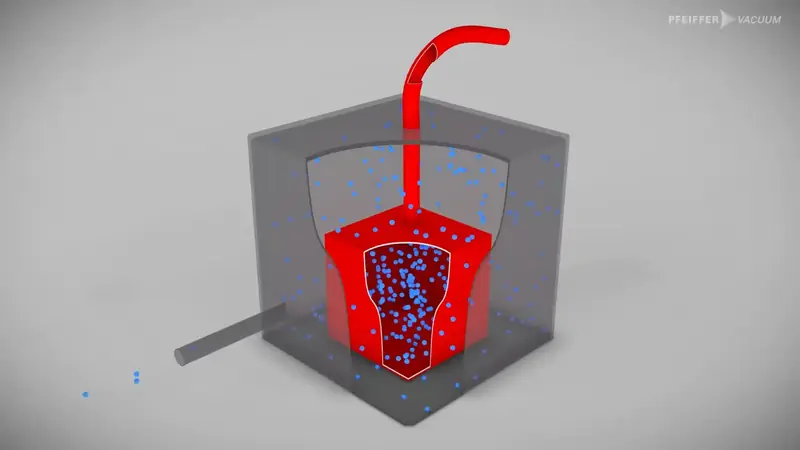
Tracer gas detection is the method of choice for buried pipe failures that acoustic and ultrasonic methods cannot resolve: leaks under pavement, deep-soil service lateral failures, and supply-line failures where surface noise masks the acoustic signal. A non-toxic, non-flammable mixture of 5% hydrogen and 95% nitrogen gas is introduced into the pipe under test after the water supply is isolated. The gas escapes through the pipe failure point, migrates upward through the soil or slab, and surfaces at the ground level directly above the leak. A calibrated hydrogen gas sensor -- held close to the surface and swept methodically across the suspected area -- detects the trace concentration and identifies the surface point above the failure.
Tracer gas detection is not affected by ambient noise, pipe depth (within practical limits), or surface material type. A service lateral under a concrete driveway that produces no acoustic signal -- because the pavement surface insulates the sensor from the pipe's acoustic emissions -- will still produce a gas concentration signature at the crack or joint in the concrete directly above the failure point, or at a nearby seam or edge where gas can migrate through. This makes tracer gas particularly useful for Beaverton properties with older service laterals running under established driveways, patios, and decorative concrete.
Tracer Gas Applications in Beaverton
Service lateral failures under driveways: Older Cedar Hills, Central Beaverton, and Vose properties often have service laterals that run under original concrete driveways from the 1950s-1970s installation era. Acoustic detection on these surfaces is often inconclusive because the thick concrete insulates the pipe's acoustic signal. Tracer gas migrates through the concrete joints and surfaces where the gas concentration sensor can identify it, locating the failure to within 12-18 inches of the pipe repair point.
Deep yard laterals: In Beaverton properties where the service lateral is buried at 24-36 inches depth for traffic protection, acoustic signal attenuation through the soil reduces detection accuracy. Tracer gas migrates upward through soil of any depth within practical limits and concentrates at the surface above the failure -- acoustic accuracy degrades with depth while tracer gas accuracy does not degrade as significantly for depths typical in residential service laterals.
Pool plumbing confirmation: For inground pool return and suction lines that have failed a pressure test but where the acoustic signal is inconclusive due to the pool equipment pad noise, tracer gas introduced into the circuit surfaces above the buried failure, confirming the location before excavation under pool decking.
Tracer gas detection is used as a supplement to, not a replacement for, acoustic detection -- we deploy tracer gas when acoustic and ultrasonic methods have not resolved a confirmed buried failure to an actionable location. For underground leak detection in Beaverton and Washington County, call (503) 974-3329. We carry tracer gas equipment for service calls in Central Beaverton and older Beaverton neighborhoods where under-pavement laterals are most common, and we apply tracer gas methods during water line assessments when standard acoustic detection on concrete driveways cannot resolve the signal.
Frequently Asked Questions
Yes. The tracer gas mixture used in residential and commercial leak detection is a 5% hydrogen and 95% nitrogen blend, which is non-toxic and non-flammable at this concentration. Hydrogen becomes flammable only above 4% concentration in air; the 5%-in-nitrogen mixture does not produce flammable concentrations at the surface because the gas disperses rapidly as it migrates through soil and surfaces. The gas dissipates within minutes to hours of the pipe being re-pressurized with water. No safety precautions are needed for building occupants during or after the detection process.
Tracer gas is preferred when acoustic detection is inconclusive: under pavement where surface noise or pavement insulation reduces the acoustic signal, at depths where acoustic signal attenuation through soil is significant, or in noisy environments where ambient sound masks the leak signal. Tracer gas is not affected by surface noise or depth in the same way as acoustic methods. In most Beaverton residential service lateral assessments, acoustic detection is tried first -- tracer gas is deployed when acoustic results are uncertain.
The gas introduction takes 15-30 minutes after water supply isolation. The gas migration and surface concentration buildup requires 15-45 minutes depending on soil type, depth, and the size of the pipe breach. Surface scanning with the detection sensor typically takes 30-60 minutes to cover the full suspected pipe route and confirm the concentration peak location. Total process from water isolation to marked repair location is typically 1.5-2.5 hours for a standard service lateral assessment.
Yes. This is one of the primary applications of tracer gas detection in Beaverton -- finding service lateral failures under existing concrete driveways and patios where acoustic detection cannot resolve the signal. The gas migrates through concrete at joints, cracks, and expansion seams, surfacing at the point closest to the underground pipe failure. The sensor detects the gas concentration at the surface, and the peak concentration point marks the repair location. The method works through concrete of typical residential thickness (4-6 inches) reliably.
Need Tracer Gas (Helium) Leak Detection in Beaverton?
Oregon CCB licensed. Non-invasive detection first. Washington County specialists. 24/7 availability.
(503) 974-33299460 Adams St, Beaverton, OR 97003 | Washington County
Oregon CCB Licensed
Washington County Specialists
Non-Invasive Detection First
Tracer Gas (Helium) Leak Detection in Beaverton, OR
Same-day service across Washington County. Non-invasive detection. Oregon licensed.
(503) 974-3329