
Underground Leak Detection & Repair in Beaverton, OR
Underground leaks in Beaverton are masked by the wet season -- saturated Tualatin Valley soil hides surface evidence for months. Acoustic ground detection and tracer gas methods find the failure point without speculative excavation.
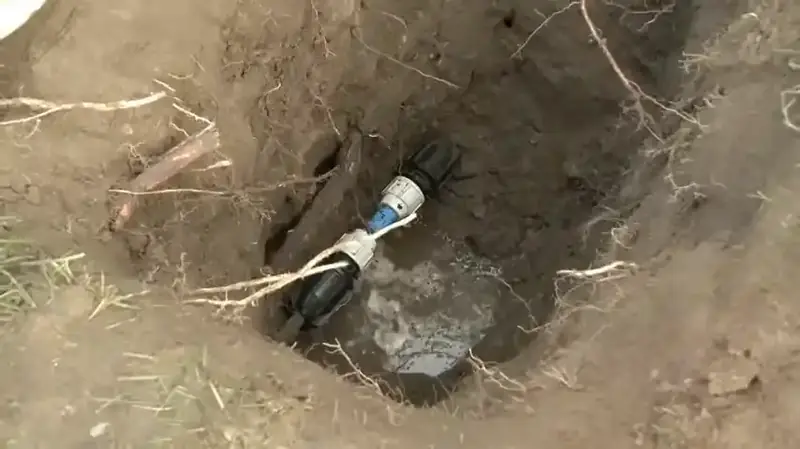
Underground leak detection in Beaverton presents a specific challenge that does not exist in drier climates: the Pacific Northwest wet season masks the surface evidence that an underground leak would otherwise produce. In a dry-climate city, a buried pipe leaking 10 gallons per hour would eventually produce visible wet ground, soft lawn areas, or pavement heave. In Beaverton between October and May, the soil is already saturated from 37 inches of annual rainfall -- a buried leak adds water to ground that is already wet, and no visible surface change appears. The only reliable indicator is a TVWD meter reading that moves when all fixtures are off.
Our underground leak detection process begins with the meter test and pressure isolation to confirm that a buried pressurized leak exists and to identify which zone of the system is losing pressure. Once we confirm the affected zone, we deploy ground-contact acoustic sensors that amplify the sound of pressurized water escaping through a pipe opening below the surface. The acoustic signal -- distinct from normal ground-conducted sound -- allows the technician to walk the suspected pipe route and identify the failure location by signal strength, marking the ground at the leak point before any excavation begins.
Types of Underground Leaks in Beaverton
Service lateral failures: The water line from the TVWD meter to the house runs underground across the front yard in most Beaverton properties. This is the most common underground pressurized leak we find, and the most likely explanation when a TVWD bill increases without any visible in-house plumbing problem. Older copper and galvanized laterals in Cedar Hills, Central Beaverton, and Five Oaks properties are the highest-risk group. See our water line leak detection service for more detail on service lateral assessment.
Irrigation mainlines: Beaverton homes with in-ground irrigation systems have a network of buried supply pipes feeding zone valves and sprinkler heads. Irrigation mainlines run under established landscaping, lawn areas, and sometimes under driveways. A cracked mainline or failed zone valve can leak continuously regardless of whether the irrigation controller is active, because the mainline stays pressurized even when the zones are off. Our irrigation leak detection process isolates the mainline from the zone circuits and locates failures in each section independently.
Underground drain failures: Sewer laterals and storm drain lines running under Beaverton yards can crack, root-intrude, or collapse, creating underground voids that eventually surface as sinkholes or soft ground. These drain failures do not appear on the TVWD supply meter (they are on the drain side, not the supply side), but they can be located by drain camera and sometimes by ground-penetrating methods when the void is significant. Older neighborhoods in Central Beaverton and Vose with original clay-tile sewer laterals are most susceptible.
Below-slab supply leaks: Supply lines running under concrete slab foundations in Beaverton's newer neighborhoods -- Murray Hill, Sexton Mountain, Cooper Mountain -- leak into the soil beneath the concrete, which masks the surface evidence until the leak is large enough to surface through the slab or affect flooring. These are technically slab leaks but function identically to underground leaks in terms of detection approach.
Tracer Gas Detection for Complex Underground Leaks
When acoustic detection is inconclusive -- due to surface noise, pipe depth, or a very small leak rate -- we use tracer gas detection as an alternative. A non-toxic, non-flammable gas mixture (typically hydrogen/nitrogen) is introduced into the pipe under pressure. The gas migrates upward through the soil and emerges at the ground surface above the leak point, where a calibrated gas sensor detects the trace concentration. This method works effectively under pavement, concrete, and deep soil in cases where acoustic equipment cannot resolve the signal.
For underground leak detection and repair across Beaverton and Washington County, call (503) 974-3329. We serve all 29 areas including Cooper Mountain, Murray Hill, and the Hillsboro corridor along the western Washington County boundary.
Frequently Asked Questions
Start with the TVWD meter test: close all supply valves inside and outside the house, then watch the meter for 15-30 minutes. If it moves with everything closed, you have an active pressurized underground leak between the meter and the house. The next step is professional acoustic detection to locate the failure point -- a technician with ground-contact sensors can narrow the position to within a foot or two in most cases, allowing a targeted repair opening rather than a speculative trench.
Beaverton's wet season keeps the Tualatin Valley's silty clay loam saturated from October through May. An underground leak adding water to already-saturated soil produces no visible wet spot, no surface heave, and no dry-season contrast -- the ground looks the same with or without the leak. The only early indicators are the TVWD water meter and an unexplained bill increase. In drier climates, the same leak would produce a clearly wet area in an otherwise dry yard within days.
Underground acoustic detection works on drain systems, though primarily for drain failures rather than pressurized supply lines. Beaverton's mature tree canopy -- oak, maple, Douglas fir, and ornamental plantings in Cedar Hills, Raleigh Hills, and older Central Beaverton yards -- produces root systems that actively seek water sources. Cracked clay tile or cast iron drain laterals provide exactly the water source roots pursue. Supply-line pipes are under pressure and do not attract roots the same way, but roots can physically displace or crush supply pipe joints if they grow directly around an older installation.
Standard Oregon homeowners policies typically cover sudden and accidental pipe failures but not leaks that developed gradually over time. A service lateral that has been slowly leaking for months is generally excluded as a maintenance issue. Some insurers offer water or service line endorsements as add-on coverage for service lateral failures -- check your policy for a service line coverage rider. Detection and documentation of the failure start date can affect coverage eligibility.
Need Underground Leak Detection & Repair in Beaverton?
Oregon CCB licensed. Non-invasive detection first. Washington County specialists. 24/7 availability.
(503) 974-33299460 Adams St, Beaverton, OR 97003 | Washington County
Oregon CCB Licensed
Washington County Specialists
Non-Invasive Detection First
Underground Leak Detection & Repair in Beaverton, OR
Same-day service across Washington County. Non-invasive detection. Oregon licensed.
(503) 974-3329