
Toilet Leak Detection & Repair in Beaverton, OR
A silent toilet leak in a Beaverton home can waste 200-400 gallons per day without a single visible drip. The flapper, fill valve, and tank-to-bowl gasket are the three most common failure points -- and the cheapest repairs in the house when caught early.
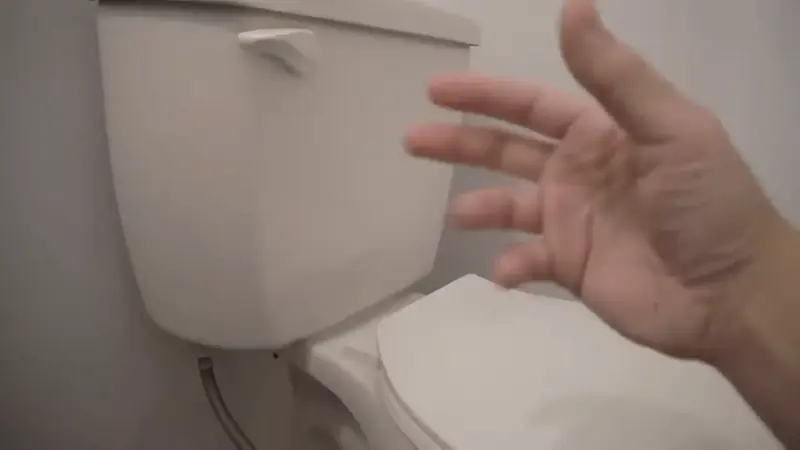
Toilet leaks divide cleanly into two categories: visible leaks that produce water on the floor or at the base, and silent leaks that lose water internally from the tank to the bowl without any surface evidence. Of the two, silent internal leaks are far more costly because they run continuously for months before anyone notices the pattern on the TVWD bill. A leaking flapper that is not sealing properly can drain 200 gallons of water per day through a toilet that flushes normally, produces no dripping sound, and shows nothing unusual to a visual check.
For Beaverton homeowners on TVWD's residential rate schedule, 200 gallons per day of toilet waste adds roughly 6,000 gallons to a monthly bill -- which at TVWD's current rate structure can represent a $30-$60 monthly increase. Multiplied across 6-12 months before the pattern is recognized, a single leaking flapper in a Cedar Hills or Murray Hill home costs $180-$720 in wasted water before it is found. The flapper itself costs $8 and takes 10 minutes to replace.
The Toilet Dye Test: 30-Second Detection
The simplest test for a silent toilet leak requires only a bottle of food coloring. Remove the tank lid and add 10 drops of a bright food coloring to the tank water -- red or blue works well. Do not flush. Wait 15 minutes without using the toilet. Then check the bowl water: if the bowl water has changed color without flushing, the flapper or flush valve seat is leaking and is allowing tank water to continuously drain into the bowl. This test costs nothing and identifies 90% of silent toilet leaks in Beaverton homes without any tools or professional visit.
Three Toilet Leak Sources We Find Most Often
Flapper failure: The flapper is the rubber valve that seals the flush valve opening at the bottom of the tank between flushes. Over time -- and Beaverton's soft Bull Run water actually has an advantage here, as it does not deposit mineral scale that would accelerate flapper seat corrosion -- flappers degrade through rubber deterioration, misalignment, or chain-tangle that prevents a complete seal. A failed flapper allows continuous water flow from tank to bowl, draining the tank and triggering the fill valve to run constantly to maintain the tank level. The fill valve running every few minutes with no flush is the audible signal most homeowners notice first.
Fill valve failure: The fill valve (also called a ballcock in older toilets) controls water refill into the tank after flushing. When it fails to shut off completely, water overflows into the overflow tube and drains continuously into the bowl -- the same end result as a flapper failure but through a different path. A fill valve that runs continuously is the most common source of the background running-water sound that Beaverton homeowners describe when calling about a toilet that "won't stop running."
Wax seal and floor flange failure: The wax ring seals the toilet base to the floor flange at the drain opening. A failed wax seal leaks at the base of the toilet -- typically only during flushing, when the drain pressure forces wastewater past the compromised seal. Wax seal failure often appears first as a soft spot in the subfloor adjacent to the toilet, a water stain on the ceiling below a second-floor bathroom, or a persistent sewer odor near the toilet. Wax seal failures that go unaddressed for months can lead to significant subfloor rot in Beaverton homes where the bathroom subfloor is wood. A replacement wax ring is inexpensive; subfloor replacement is not.
For toilet repair in any Beaverton neighborhood -- from Cedar Hills to Bonny Slope -- call (503) 974-3329. We also address toilet leaks that have already caused subfloor moisture damage; see our bathroom leak detection service for the full scope of bathroom moisture assessment.
Frequently Asked Questions
Add 10-15 drops of food coloring to the tank (not the bowl) and wait 15 minutes without flushing. If the bowl water changes color, you have a flapper or flush valve leak allowing tank water to drain continuously into the bowl. You can also listen for the fill valve running every few minutes between flushes with no flushing occurring -- that cycling is the fill valve topping up a tank that is constantly draining through a bad flapper or flush valve seat.
A standard flapper leak typically loses 200-400 gallons per day. At TVWD's current residential rate structure, that adds approximately $25-$60 per month to the water bill, depending on rate tier. A toilet that has been leaking silently for 6 months costs $150-$360 in excess water charges -- far more than the $8-$25 repair cost for a replacement flapper or fill valve. TVWD does not offer bill adjustments for internal toilet leaks the way they do for plumbing supply leaks, because the water passed through the meter and into the sewer system.
A toilet that refills (you hear the fill valve running) without anyone flushing it is called a 'ghost flush' -- the tank is slowly losing water through a bad flapper and the fill valve is topping it up periodically. The fill cycle interval tells you the leak rate: cycling every 5 minutes indicates a faster leak than cycling every 30 minutes. Both confirm a failing flapper or flush valve seat. The dye test above will confirm which component is failing.
Yes -- a failed wax seal that leaks during every flush is the most common source of second-floor bathroom water damage to first-floor ceilings in Beaverton homes. The leak is small enough per flush that it dries between uses, but the repeated wet-dry cycling slowly deteriorates the subfloor wood and eventually saturates the ceiling below. By the time a stain appears on the ceiling, the subfloor directly under the toilet has typically been wet for weeks or months and may require replacement. Early detection from a musty odor or a soft spot underfoot near the toilet avoids this damage cascade.
Need Toilet Leak Detection & Repair in Beaverton?
Oregon CCB licensed. Non-invasive detection first. Washington County specialists. 24/7 availability.
(503) 974-33299460 Adams St, Beaverton, OR 97003 | Washington County
Oregon CCB Licensed
Washington County Specialists
Non-Invasive Detection First
Toilet Leak Detection & Repair in Beaverton, OR
Same-day service across Washington County. Non-invasive detection. Oregon licensed.
(503) 974-3329