
Sump Pump Leak Detection & Repair in Beaverton, OR
Beaverton's October-through-May wet season puts sump pumps under continuous load for six months straight. A pump failure during a January storm in Washington County is not a maintenance item that can wait -- it is a basement emergency.
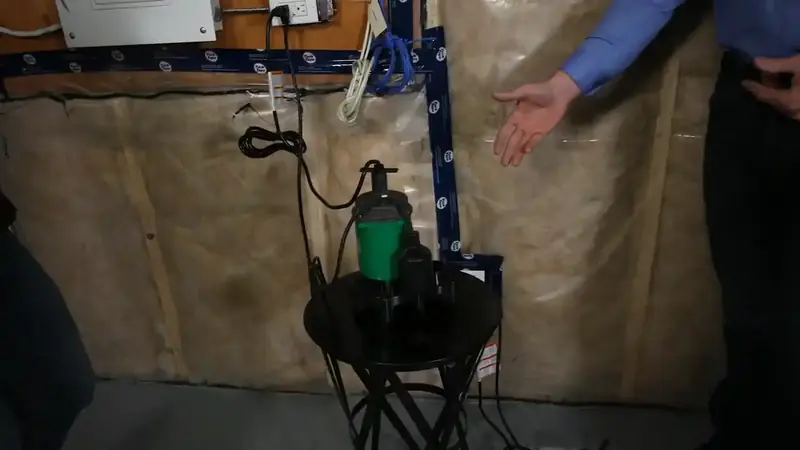
Sump pumps are a load-bearing piece of infrastructure in Beaverton homes -- not an optional appliance. The Tualatin Valley receives approximately 37 inches of rain per year, nearly all of it concentrated between October and May. During that six-month wet season, the silty clay loam beneath Beaverton foundations stays thoroughly saturated, and groundwater tables in lower-lying areas of Cedar Hills, Garden Home, and older Central Beaverton can rise to within a few feet of the crawlspace floor. A sump pump running continuously through January and February is doing exactly what it is supposed to do. A sump pump that fails in those conditions produces a flooded basement or crawlspace within hours.
Beaverton homes with basements or crawlspaces that depend on active sump drainage need annual inspection before each wet season begins -- ideally in September, before the first heavy rains arrive. Our sump pump assessment checks the pump motor condition and amperage draw, the float mechanism operation, the discharge line route and termination point, and the pit liner and perimeter drain that feeds the pump. A pump that is cycling too frequently, running continuously, or not cycling at all during wet conditions each indicates a different upstream problem that the pump itself is responding to.
Leak Sources in Sump Pump Systems
When a sump pump system develops a water problem, the failure point is often not the pump itself. The three most common sources we find in Beaverton:
Discharge line failure: The pipe that carries water from the sump pit to a yard drainage point or storm drain can develop cracks, freeze, back up with debris, or separate at a joint. A failed discharge line causes the pump to push water into the discharge pipe and back into the pit -- the pump runs continuously, the water level never drops, and the basement floods. We inspect the full discharge route, including any check valve at the pump outlet (which prevents backflow into the pit when the pump stops) and the outdoor termination point.
A pipe failure in the discharge line often goes undetected because it happens underground or inside a wall. Thermal imaging can locate a discharge line leak by detecting cold moisture at the failure point.
Perimeter drain failure: The perimeter drain (French drain or interior drain tile) that collects groundwater around the foundation perimeter and routes it to the sump pit can clog with silt, collapse, or become overwhelmed in extreme rain events. When the perimeter drain cannot deliver water to the pit fast enough, it backs up and appears as water seeping through the foundation wall -- which looks like a foundation leak but is actually a drainage system failure.
Plumbing leak feeding the pit: A supply line leak in or near the crawlspace -- a dripping fitting, a pinhole in a copper line, or a connection that has separated -- can place enough water into the crawlspace that the sump pump runs in dry weather. If your sump pump cycles during the July-September dry season in Beaverton, a plumbing leak rather than groundwater is the most likely cause. We check for crawlspace plumbing leaks when pump cycling does not match the seasonal rainfall pattern.
Sump Pump Inspection for Beaverton Crawlspace Homes
Older Beaverton homes in Cedar Hills, Raleigh Hills, and West Slope with crawlspace foundations often have sump pits placed in the lowest corner of the crawlspace. Accessing these pits for inspection requires crawling the full crawlspace -- a task most homeowners skip until something goes wrong. Our technicians inspect the pit depth and liner condition, pump mounting and inlet screen, and the integrity of any vapor barrier that was installed to manage crawlspace humidity independently of the sump system.
For Washington County homeowners heading into the wet season with questions about their sump system, call (503) 974-3329. Same-day inspection available. We also respond to emergency flooding calls when a sump failure has already produced water in the basement or crawlspace -- assessment starts with stopping the inflow before addressing the longer-term repair.
Frequently Asked Questions
Pour a 5-gallon bucket of water directly into the sump pit. The float should rise and the pump should activate within 30 seconds, run until the pit is clear, then stop. If the pump does not start, runs but does not clear the water, or runs continuously without shutting off, the pump, float, or discharge line has a problem. Run this test in September before the October wet season begins. A backup battery-powered pump is also worth adding to any Beaverton home where a power outage during a storm could disable the primary pump.
A sump pump running during Beaverton's July-September dry season -- when the Tualatin Valley water table is at its lowest -- almost always indicates a plumbing leak feeding the pit rather than groundwater. A dripping supply fitting in the crawlspace, a pinhole in a copper line, or a condensate drain from HVAC equipment can each place enough water in the crawlspace to cycle the pump. We check for crawlspace plumbing leaks when pump activity does not match the seasonal rainfall pattern.
The pump replacement itself is often within reach for mechanically inclined homeowners -- it requires disconnecting the discharge pipe, unscrewing the pump from the pit floor, and reversing the process with the new unit. However, Oregon plumbing code requires a licensed plumber if any modifications to the discharge plumbing are made. We also recommend professional installation when the old pump has failed due to an underlying problem (discharge line failure, pit flooding from perimeter drain) that the new pump will face the same way.
Pedestal pumps typically last 10-15 years; submersible pumps run 7-10 years under normal conditions. In Beaverton homes where the pump runs continuously for 4-6 months per year during heavy wet seasons, the run-hour accumulation is significantly higher than a drier-climate home. A Beaverton pump that has been running hard for 7-8 years should be assessed before each wet season, not assumed to be fine.
Need Sump Pump Leak Detection & Repair in Beaverton?
Oregon CCB licensed. Non-invasive detection first. Washington County specialists. 24/7 availability.
(503) 974-33299460 Adams St, Beaverton, OR 97003 | Washington County
Oregon CCB Licensed
Washington County Specialists
Non-Invasive Detection First
Sump Pump Leak Detection & Repair in Beaverton, OR
Same-day service across Washington County. Non-invasive detection. Oregon licensed.
(503) 974-3329