
Pinpoint Leak Detection in Beaverton, OR
Pinpoint leak detection uses pressure isolation, acoustic sensing, and thermal imaging in combination -- progressively narrowing the failure location from a zone to a circuit to an exact point on the wall or floor before any access hole is made.
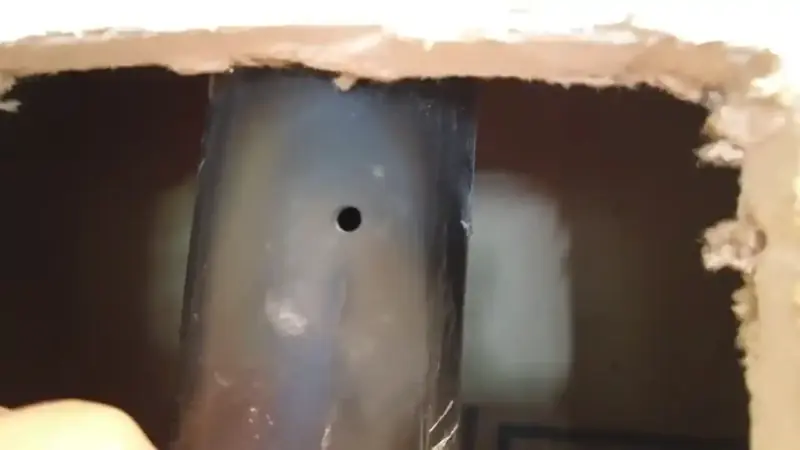
Pinpoint leak detection describes the systematic, multi-method process of narrowing a hidden supply-line failure from a general area to an exact location before any repair access is made. The term emphasizes precision -- not just confirming that a leak exists somewhere in the supply system, but locating it to within a few inches so that the repair opening can be targeted rather than exploratory. In Beaverton, where many of the city's most common leak types (copper pinhole failures in walls, slab supply-line failures under concrete) require opening finished surfaces for repair, the precision of the detection directly determines how large and disruptive that repair opening needs to be.
The pinpoint detection process works through a logical sequence. The TVWD meter test confirms that an active pressurized supply leak exists. Pressure isolation testing -- closing individual supply zones one at a time while monitoring pressure gauges -- identifies which zone or branch of the supply system is losing pressure. Acoustic and electronic scanning of that specific zone narrows the failure to a location along the pipe route. Thermal imaging confirms the moisture extent and the temperature signature of the failure source. The result is a marked point on the wall or floor with confidence sufficient to make a single targeted repair opening.
Pinpoint Detection for Copper Pinhole Leaks in Beaverton
The copper pinhole leaks that are Beaverton's most common hidden supply-line failure type are excellent candidates for pinpoint detection. A pinhole in a Cedar Hills or Garden Home 1970s copper supply line produces a continuous acoustic signal that resolves clearly with contact sensors on the adjacent drywall surface. The pressure isolation step identifies the specific branch affected, which typically narrows the suspect wall section to 6-12 linear feet. Acoustic scanning of that section narrows the location to within 4-6 inches. A single 4-by-4-inch access cut at the marked location exposes the failure for repair.
By contrast, a repair made without pinpoint detection in the same situation might require opening 8 linear feet of wall along the suspected pipe route before the pinhole is found -- significantly more drywall, significantly more finish repair work, and significantly more disruption to the homeowner.
Pinpoint Detection for Slab Leaks in Beaverton
For slab supply-line failures in Murray Hill, Sexton Mountain, and Five Oaks homes, pinpoint detection is essential because the alternative -- speculative concrete demolition -- is far more damaging and expensive. Electronic sensors on the concrete floor surface above the suspected pipe route detect the acoustic signal through the slab. The signal-peak location is marked on the floor. A single 3-4 inch core drill at the marked location accesses the pipe for repair, compared to the trench demolition that speculative repair would require.
Call (503) 974-3329 for pinpoint leak detection in Beaverton and Washington County. We apply this systematic multi-method approach to every hidden supply-line failure -- in Cedar Hills copper-wall leaks, Murray Hill slab leaks, and buried service lateral failures throughout Central Beaverton.
Frequently Asked Questions
Pinpoint detection narrows a wall copper-pipe leak to within 2-6 inches in typical Beaverton residential conditions. This precision is sufficient to make a single targeted repair access of 4-6 square inches rather than opening a full wall section. The accuracy depends on pipe material (copper is more precise than PEX), ambient noise level, and the size of the leak (larger flow rates produce stronger signals that resolve more precisely). In a quiet unoccupied room with copper supply pipe, 2-inch precision is achievable.
A mismatch between the detected location and the actual failure is rare in optimal conditions but possible when the acoustic signal is weak or when multiple pipe runs are close together. We address this by combining multiple detection methods -- acoustic, thermal, and pressure isolation in sequence -- rather than relying on any single method alone. If an access opening at the detected location does not reveal the failure, we re-scan with the fresh information before making a second opening.
Basic leak detection confirms that a leak exists and identifies the approximate affected zone -- enough to narrow the system to a particular branch or area. Pinpoint detection goes further, using the full detection method sequence to identify the exact location along the pipe route within a few inches. The difference is the repair opening size: basic detection might confirm the leak is somewhere in the kitchen water supply, while pinpoint detection marks a specific spot on the kitchen wall at the precise failure location.
Yes -- the detection phase is entirely non-invasive. Electronic sensors on the concrete surface above the pipe detect the acoustic signal through the slab, and the peak-signal location is marked with tape or chalk on the floor surface. No drilling or cutting occurs during detection. The floor is opened only at the marked repair location after the detection process confirms the failure point with sufficient confidence. The typical slab repair core is 3-4 inches in diameter at the marked location.
Need Pinpoint Leak Detection in Beaverton?
Oregon CCB licensed. Non-invasive detection first. Washington County specialists. 24/7 availability.
(503) 974-33299460 Adams St, Beaverton, OR 97003 | Washington County
Oregon CCB Licensed
Washington County Specialists
Non-Invasive Detection First
Pinpoint Leak Detection in Beaverton, OR
Same-day service across Washington County. Non-invasive detection. Oregon licensed.
(503) 974-3329