
Inground Pool Leak Detection & Repair in Beaverton, OR
Inground pool leaks in Beaverton are either structural -- cracks in the shell, gasket failures at fittings -- or plumbing -- buried return and suction line failures. Pressure testing and dye injection identify which category is losing water before any excavation begins.
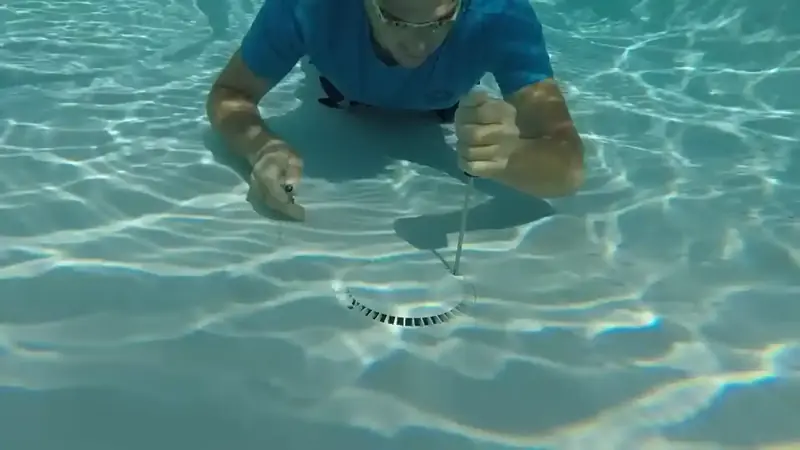
Inground pool leak detection in Beaverton requires two distinct technical approaches depending on whether the failure is structural (in the pool shell or fittings) or plumbing (in the buried return and suction pipe circuits). Both produce water loss. Both can result in the same bucket-test confirmation. But the detection method, repair approach, and cost structure are different enough that confirming which type of failure is present before starting repair is essential.
The standard diagnostic sequence for an inground pool leak begins with the bucket test to confirm that actual water loss is occurring beyond evaporation. Once confirmed, we isolate the system to determine whether the loss continues when the pool circulation pump is off (structural failure) or increases when the pump is running (plumbing failure). A pool that loses water at the same rate with the pump on and off is leaking structurally. A pool that loses significantly more water when the pump is running has a plumbing leak -- the circulation system is under pressure only when the pump runs, and that pressure drives the leak faster.
Structural Leak Detection in Beaverton Inground Pools
Inground pools in Beaverton are predominantly gunite or concrete construction, with older pools in Raleigh Hills and West Slope dating to 1970s-1980s installations. Concrete pool shells develop surface cracks through thermal cycling and soil movement -- Beaverton's seasonally expansive Tualatin Valley soil moves enough through the wet-dry cycle to stress a concrete shell over decades. Most surface cracks are cosmetic and do not penetrate the waterproofing layer (plaster or paint) unless they are deep. A crack that reaches through the plaster to the gunite and continues into the shell allows water to migrate through.
Structural fitting failures are more common than shell cracks in Beaverton pools. Return jets, main drains, vacuum ports, and pool light housings all penetrate the pool wall with rubber gasket seals. These gaskets age, harden, and eventually allow water to flow around the fitting body rather than through it. Dye testing -- injecting a small amount of brightly colored dye near each fitting with the water still -- reveals whether water is being pulled toward the fitting (indicating a leak at that point) or remains undisturbed. The dye test identifies the specific fitting involved before any draining or structural repair is attempted.
Buried Plumbing Leak Detection
Inground pool return and suction lines run underground from the equipment pad to the pool wall. These pipes are typically PVC and are installed at 18-24 inch depth under decking, yard areas, or sometimes under the pool deck itself. When a plumbing circuit is suspected, we pressure-test each circuit independently: cap the circuit at the pool end, pressurize to 20-25 psi with air, and monitor for pressure loss over 30 minutes. A circuit that loses pressure has an active pipe failure. For locating the failure point in the buried section, our underground acoustic detection equipment identifies the leak location through the soil and decking without full excavation.
For inground pool leak detection in Beaverton and Washington County -- particularly for the older pools in Cooper Mountain, Raleigh Hills, and West Slope that are approaching or past their original plaster and gasket service life -- call (503) 974-3329. We also use tracer gas leak detection for difficult buried plumbing cases where acoustic detection is inconclusive, and our underground leak detection service covers the full buried circuit assessment for complex pool plumbing layouts.
Frequently Asked Questions
A shell crack is a fracture in the concrete or gunite pool structure that penetrates the waterproofing layer (plaster or paint), allowing water to flow through the pool wall. A fitting leak is a gasket or seal failure at one of the pool's penetration points -- return jets, main drain, vacuum port, or light housing -- where the rubber gasket between the fitting and the pool wall has degraded. Fitting leaks are far more common than shell cracks in Beaverton pools. Dye testing identifies fitting leaks at the specific penetration point; a shell crack requires visual inspection of the plaster surface for visible fractures or staining.
Pool fitting gaskets have a typical service life of 10-20 years depending on material quality and chemical exposure. For Beaverton pools where the original installation was in the 1980s-1990s, fitting gasket inspection should be part of any routine pool maintenance cycle -- particularly if unexplained water loss has appeared. Proactive fitting replacement during a pool replastering project, which typically occurs every 10-15 years, prevents fitting gasket failures from developing between replasters.
Yes. The Tualatin Valley's silty clay loam expands significantly when saturated and contracts when dry. For an inground pool surrounded by this soil, the seasonal movement exerts lateral pressure on the pool shell during the wet season and can stress existing cracks. Beaverton pools with older shells that have previous crack repairs, or with visible staining along horizontal lines on the pool wall, should be inspected for active shell permeation when unexplained water loss is present.
A complete structural and plumbing assessment for a standard residential inground pool typically takes 4-6 hours. This includes the pump-on versus pump-off isolation test, structural dye testing of all fittings and any visible cracks, pressure testing of each plumbing circuit, and visual inspection of the equipment pad plumbing. If buried line acoustic detection is required for a confirmed plumbing circuit failure, a follow-up visit may be needed to conduct the ground detection work with the specific equipment.
Need Inground Pool Leak Detection & Repair in Beaverton?
Oregon CCB licensed. Non-invasive detection first. Washington County specialists. 24/7 availability.
(503) 974-33299460 Adams St, Beaverton, OR 97003 | Washington County
Oregon CCB Licensed
Washington County Specialists
Non-Invasive Detection First
Inground Pool Leak Detection & Repair in Beaverton, OR
Same-day service across Washington County. Non-invasive detection. Oregon licensed.
(503) 974-3329