
Hot Tub & Spa Leak Detection & Repair in Beaverton, OR
Hot tub and spa leaks in Beaverton are common because the combination of heat, chemical exposure, constant pressure cycling, and outdoor temperature swings accelerates every component's aging. Jet bodies, pump seals, union connections, and shell cracks are the four most common sources.
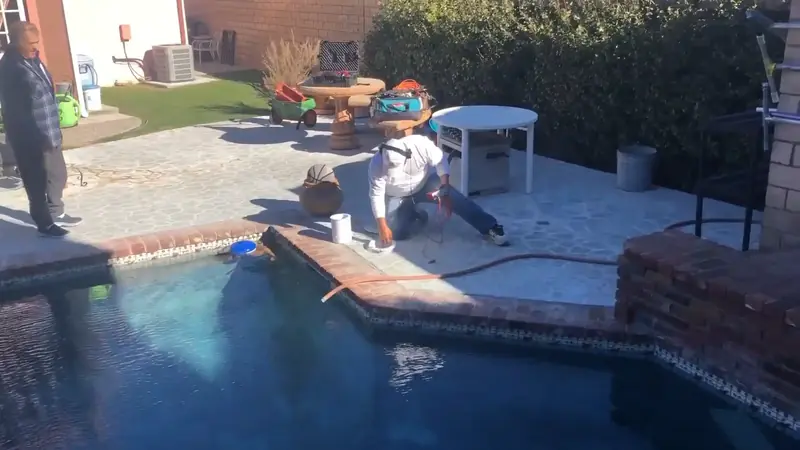
Hot tub and spa leaks in Beaverton homes are accelerated by conditions that do not affect standard plumbing systems. The water in a hot tub cycles between 100-104 degrees Fahrenheit continuously, causing the shell, plumbing fittings, and pump components to expand and contract with every heating cycle. Chemical treatment -- chlorine or bromine at levels higher than pool water -- degrades rubber gaskets and O-rings faster than the lower concentrations used in pool water. And Beaverton's outdoor temperature swings between PNW mild winters (35-45 degrees) and occasional cold snaps stress an outdoor hot tub's water-holding components in ways that an indoor spa does not experience.
The result is that a Beaverton hot tub approaching 8-10 years of age has typically experienced enough thermal cycling and chemical exposure to have worn gaskets, degraded O-rings, and fatigue cracks in shell fittings and jet bodies. Multiple simultaneous small leaks -- each from a different component -- are common in hot tubs in this age range. Finding one jet body failure and repairing it, then discovering another two weeks later, is a characteristic pattern of an aging hot tub rather than an indication that the first repair failed.
Hot Tub Leak Sources in Beaverton
Jet body failures: Each spa jet consists of a jet body permanently plumbed into the shell and a removable jet insert. The jet body is glued to the plumbing behind the shell and sealed to the shell surface with a gasket or O-ring. When the seal between the jet body and the shell fails, water leaks behind the shell into the equipment bay below. This type of failure occurs only when the pump is running and jets are active. Dye testing near each jet body during pump operation confirms which jets are leaking.
Pump seal failure: The circulation pump that drives spa water through the jets is sealed against water ingress at the motor shaft. When the pump seal wears, water appears at the pump body -- dripping from the pump casing near the motor connection. The drip rate increases with pump speed and pressure. A failed pump seal eventually allows water into the motor itself, which causes motor failure if not addressed. Pump seal replacement restores sealing without replacing the entire pump assembly in most cases.
Union connection failures: Hot tub plumbing uses threaded union fittings at equipment connections to allow pump, heater, and filter removal without cutting pipes. These unions have rubber O-rings that seal the two halves together under hand-tightening. O-rings that have hardened, flattened, or cracked from age and chemical exposure allow the union to drip at the threaded connection -- typically at the pump inlet or outlet, or at the heater connections. A dripping union is one of the more common maintenance leak sources in 5-15 year old Beaverton hot tubs.
Shell cracks: Acrylic or fiberglass spa shells develop cracks from impact damage, freeze stress, or manufacturing defects that propagate over time. Shell cracks in Beaverton outdoor hot tubs may expand during the occasional hard freeze event. A shell crack that reaches through the acrylic surface to the fiberglass substrate allows water to seep through the shell and drip from the underside into the equipment bay. Shell cracks are less common than fitting and seal failures but should be considered when other sources are ruled out.
For hot tub and spa leak detection in Beaverton and Washington County, call (503) 974-3329. We also cover the outdoor spa components on Cooper Mountain and Bonny Slope properties where outdoor temperature exposure is more pronounced than valley-floor locations. See our pool leak detection service for swim pool assessment if your property has both a spa and a pool.
Frequently Asked Questions
Access the equipment bay (the panel under or around the spa that contains the pump, heater, and plumbing). With the spa running, look for active drips at pump connections, union fittings, and where plumbing lines connect to the shell. Feel along pipe runs and fitting connections for moisture. Then shut the pump off and observe: leaks that stop immediately when the pump stops are jet-body or pressure-dependent connection failures. Leaks that continue with the pump off are gravity-drain failures at the shell or at low-point plumbing.
A properly functioning hot tub with the cover on and the thermostat set to maintain temperature should survive Beaverton's typical winter temperatures, including the occasional cold snap. The water temperature and the insulated cover prevent freezing in the vessel itself. The vulnerable points are above-ground plumbing in the equipment bay, particularly if the equipment bay is not insulated adequately, and any plumbing runs that exit the hot tub area and are exposed to ambient air temperature. Beaverton hot tubs that were shut off and drained during the 2021 ice storm without proper winterization suffered component failures similar to irrigation systems.
Quality hot tubs in Beaverton typically require their first significant seal and gasket servicing at 7-10 years of age, when the original O-rings and pump seals reach the end of their service life from thermal cycling and chemical exposure. After 15 years, multiple component replacements in a single season are common. A hot tub that is producing its third or fourth leak in a single season has reached the point where comprehensive reconditioning -- replacing all O-rings, union gaskets, and pump seals in one service visit -- is more economical than addressing failures individually as they appear.
Some water loss is normal from splash-out and evaporation during and after use. In Beaverton's outdoor climate, a covered hot tub loses roughly 1-2 inches of water per week from evaporation under normal conditions. Water loss significantly exceeding that rate -- particularly if the spa is losing more than 1 inch per day without visible splash-out -- indicates an active leak. The bucket test used for pools also works for hot tubs: mark the water level and check the change over 24 hours without using the spa.
Need Hot Tub & Spa Leak Detection & Repair in Beaverton?
Oregon CCB licensed. Non-invasive detection first. Washington County specialists. 24/7 availability.
(503) 974-33299460 Adams St, Beaverton, OR 97003 | Washington County
Oregon CCB Licensed
Washington County Specialists
Non-Invasive Detection First
Hot Tub & Spa Leak Detection & Repair in Beaverton, OR
Same-day service across Washington County. Non-invasive detection. Oregon licensed.
(503) 974-3329