
Pool Leak Detection & Repair in Beaverton, OR
Pools in Beaverton are less common than in drier markets, but they do exist -- and pool leaks are particularly difficult to quantify during the PNW wet season when rainfall adds water to the pool while a leak removes it. The bucket test establishes a baseline regardless of weather.
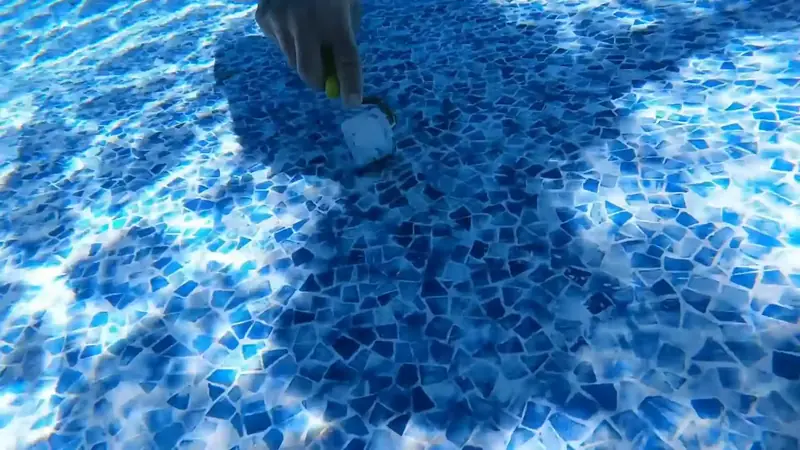
Beaverton's marine west coast climate -- wet winters and warm, dry summers -- creates a specific pool-owner diagnostic challenge. During the October-May wet season, rainfall regularly adds water to the pool, masking water loss from a structural or plumbing leak. A pool that is both receiving rainfall and losing water through a crack or pipe failure may appear to hold a stable level, with the rain input roughly offsetting the leak loss. Only during the dry summer season, when rainfall stops and evaporation increases, does the net water loss become apparent.
For Beaverton pool owners who suspect a leak but cannot confirm it from water level observation, the bucket test establishes an evaporation baseline that separates water loss from normal evaporation. The test places a water-filled bucket on the pool step (or a weighted container at pool water level) and marks both the pool water surface and the bucket water surface with tape. After 24 hours, if the pool water level has dropped more than the bucket water level, the pool is losing water beyond evaporation -- confirming an active leak. The bucket test is reliable in any weather condition including rain.
Pool Leak Categories in Beaverton
Pool leaks in Washington County divide into structural failures (cracks or penetrations in the pool shell, fittings, or light housings) and plumbing failures (leaks in the return lines, suction lines, or equipment pad plumbing). The distinction matters because each requires different detection methods and different repair expertise.
Structural shell leaks most commonly occur at fittings -- the return jets, main drain, vacuum port, and light housing penetrations through the pool wall. These fittings use rubber gaskets and threaded bodies that degrade with age and sun exposure. A return fitting that has lost its gasket seal leaks at that specific point in the pool wall, which can be confirmed by dye testing: a small amount of red dye injected near the suspected fitting shows whether water flows toward or away from the fitting. If the dye is pulled toward the fitting, the leak is confirmed at that point.
Plumbing leaks in the return or suction lines require pressure testing: the pool is isolated from the equipment, the lines are pressurized with air or water, and pressure loss confirms which pipe circuit is leaking. For Beaverton pools where the plumbing runs under decking or through the yard, our underground leak detection methods locate the failure in the buried pipe section without digging the full route.
For pool leak detection in Beaverton and Washington County, call (503) 974-3329. We cover inground pool leak detection and hot tub and spa leak detection as part of a full aquatic leisure system assessment.
Frequently Asked Questions
Run the bucket test: fill a 5-gallon bucket with pool water, place it on the pool step with the rim at pool water level, and mark both the pool water surface and the bucket water surface with waterproof tape. After 24 hours, compare the two drops. The bucket experiences the same evaporation and rainfall as the pool. If the pool water level has dropped significantly more than the bucket level, the pool has an active leak beyond normal evaporation. If the drops are roughly equal, the water loss is from evaporation, not a structural or plumbing failure.
During Beaverton's October-May wet season, rainfall regularly adds water to the pool while a leak removes it. The two effects can nearly cancel out, leaving the water level apparently stable despite a real leak. During the dry June-September season, rainfall stops and evaporation increases, so the net water loss from the leak becomes apparent and the level drops noticeably. Many Beaverton pool owners discover leaks in July that have actually been running since the previous winter.
A complete pool leak assessment -- including structural dye testing of all fittings and penetrations, pressure testing of return and suction lines, and visual inspection of the equipment pad plumbing -- typically takes 3-5 hours for a standard residential inground pool. Pools with complex plumbing, multiple circuits, or suspected buried line failures may require a second visit with underground acoustic or tracer gas detection methods for the buried sections.
Yes. A returning line or main drain failure that places water underground near the pool structure can erode the soil beneath the pool shell and eventually cause settling or structural cracking. A supply or return line failure near the house can saturate the soil adjacent to the foundation, adding to the hydrostatic pressure that Beaverton's wet season already generates against foundation walls. Pool leaks that go undetected for a full season cause more soil disturbance than those caught early.
Need Pool Leak Detection & Repair in Beaverton?
Oregon CCB licensed. Non-invasive detection first. Washington County specialists. 24/7 availability.
(503) 974-33299460 Adams St, Beaverton, OR 97003 | Washington County
Oregon CCB Licensed
Washington County Specialists
Non-Invasive Detection First
Pool Leak Detection & Repair in Beaverton, OR
Same-day service across Washington County. Non-invasive detection. Oregon licensed.
(503) 974-3329