
Hose Bib Leak Detection & Repair in Beaverton, OR
A leaking hose bib in Beaverton loses water at the spigot handle, at the wall connection, or inside the wall cavity where the supply line connects. The third type -- the hidden interior leak -- is the most damaging and the least obvious.
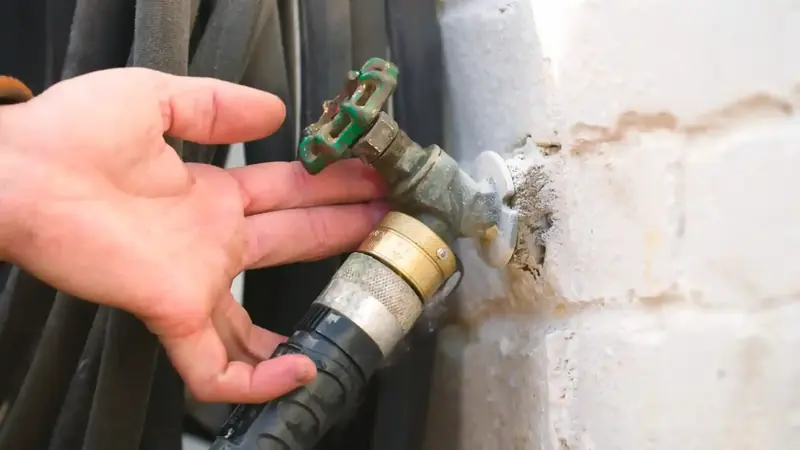
Hose bibs -- the exterior water spigots on the side or back of a Beaverton home -- are simple devices with a limited number of failure points. But when they fail in the wrong location, the damage extends well beyond a dripping spigot. A hose bib that leaks at the packing nut behind the handle, or at the vacuum breaker on top of the spigot body, drips visibly and is easily identified. A hose bib whose supply line connection inside the wall has failed routes water into the wall cavity -- producing the same hidden moisture damage as a pinhole copper leak anywhere else in the supply system.
Beaverton's occasional hard-freeze events -- particularly the extended cold snap of 2021 -- are responsible for a wave of hose bib failures that appear months after the freeze itself. A freeze-damaged hose bib may look intact from the outside, with the spigot operating normally, while the pipe interior has cracked at the freeze damage point. This type of failure often does not produce a leak until the supply line is pressurized during spring watering season, at which point a crack that formed in February manifests as a leak in May. Post-freeze hose bib inspection, ideally at the start of each watering season, is good practice in Beaverton homes with older exterior spigots.
Types of Hose Bib Failures in Beaverton
Packing nut leak: The packing nut seals the stem that opens and closes the valve. When the packing washer behind the nut wears, water weeps around the stem during use and drips from just behind the handle. This is the most visible hose bib failure and the most straightforward repair -- tightening the packing nut or replacing the packing washer stops the leak without replacing the spigot.
Vacuum breaker failure: Frost-free hose bibs in newer Beaverton installations include an anti-siphon vacuum breaker on top of the spigot body. This device prevents back-siphoning of hose-connected water (from sprayers, chemical reservoirs, or hoses lying in puddles) into the domestic supply. When the vacuum breaker diaphragm fails, water drips continuously from the small cap on top of the spigot even when the spigot is off. This is a separate failure from the main spigot valve and requires replacing the vacuum breaker cap.
Freeze damage to the spigot body or supply line: Standard hose bibs (non-frost-free types) trap water in the spigot body between the valve seat and the outdoor end. During a hard freeze, that trapped water expands and can crack the spigot body or the supply pipe immediately behind it. Frost-free hose bibs address this by extending the valve seat 8-14 inches into the wall, where the temperature stays above freezing. Homes in older Cedar Hills and Central Beaverton with original non-frost-free spigots are at greater risk during Beaverton freeze events.
Supply connection failure inside the wall: The pipe connection between the house supply system and the hose bib occurs inside the wall cavity. This connection -- typically a copper sweat fitting or a push-fit connector in newer installations -- can fail from pipe age, freeze stress, or the movement that occurs when someone pulls on a garden hose under tension. A failure at this internal connection is invisible from outside and leaks into the wall cavity rather than to the exterior. The first visible evidence may be a soft spot on the exterior siding, water staining on the interior wall, or moisture under the crawlspace in the area below the spigot. This failure type requires interior wall access or crawlspace access for repair, unlike a spigot-body replacement which can be done entirely from outside. See our wall leak detection service for behind-wall moisture assessment.
For hose bib leak detection and repair anywhere in Beaverton and Washington County, call (503) 974-3329. We check exterior spigot condition on all yard leak assessments, and homeowners in Cedar Hills with older non-frost-free spigots should consider proactive replacement before the next freeze season.
Frequently Asked Questions
The small cap on top of a frost-free hose bib is the anti-siphon vacuum breaker. When it drips with the spigot fully closed, the vacuum breaker's internal diaphragm has failed. This is a separate component from the main spigot valve and requires replacing the vacuum breaker cap, not the entire spigot. Vacuum breaker caps are a standard plumbing part and the replacement is straightforward if the correct cap size is matched to the spigot model.
Yes. Freeze damage to hose bib supply lines can be latent -- the crack forms during the freeze but the pipe holds its shape without immediately leaking because the water inside also freezes solid and plugs the crack. When temperatures rise and the ice thaws, the crack opens. Many homes that experienced the 2021 ice storm found hose bib and supply line failures appearing in spring when the outdoor water supply was first used after winter. Post-freeze inspection at the start of each watering season is the best way to catch this before a wall leak develops.
A frost-free hose bib locates the valve seat 8-14 inches inside the wall, where indoor temperature prevents freezing. Standard hose bibs trap water in the exposed exterior portion, which can freeze and crack during a hard freeze. Beaverton's marine climate rarely produces sustained hard freezes, but the occasional winter cold snap and ice events make frost-free spigots a reasonable upgrade for any Beaverton home, particularly older properties with original non-frost-free spigots in exposed locations. Frost-free spigots also require draining the hose and disconnecting it in winter -- a connected hose traps water in the spigot body even with a frost-free design.
Signs of a hose bib supply connection leak inside the wall include: soft or discolored exterior siding near the spigot, a musty smell on the interior wall adjacent to the spigot, moisture under the crawlspace in the area below the hose bib location, or a TVWD meter that moves with the hose bib fully closed and all other fixtures off. The last test is the most reliable early indicator -- if the meter moves with everything off including the hose bib handle, the leak is either in the supply connection inside the wall or in the supply pipe leading to it.
Need Hose Bib Leak Detection & Repair in Beaverton?
Oregon CCB licensed. Non-invasive detection first. Washington County specialists. 24/7 availability.
(503) 974-33299460 Adams St, Beaverton, OR 97003 | Washington County
Oregon CCB Licensed
Washington County Specialists
Non-Invasive Detection First
Hose Bib Leak Detection & Repair in Beaverton, OR
Same-day service across Washington County. Non-invasive detection. Oregon licensed.
(503) 974-3329