
Bathtub Leak Detection & Repair in Beaverton, OR
Bathtub leaks in Beaverton homes trace to four locations: the drain and overflow assembly, the supply valve, the caulk seal at the tub-wall junction, or the tub body itself. Identifying which one is the source changes everything about the repair.
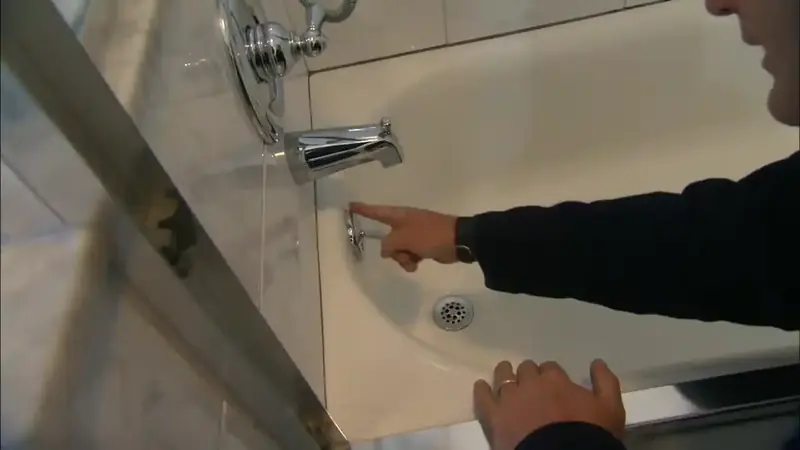
Bathtub leaks in Beaverton homes are often discovered through a ceiling stain below a second-floor bathroom rather than any visible water at the tub itself. The connection between the tub drain and the floor assembly below, the overflow plate connection at the back wall, and the caulk seal at the tub-to-wall junction all route any escaping water into the floor framing before it ever surfaces in the bathroom. By the time a homeowner notices a discolored ceiling patch in a Cedar Hills or Raleigh Hills home, the floor framing under the bathtub has typically been wet through multiple cycles.
The first step in any bathtub leak assessment is determining which of the four failure zones is the source, because each requires a completely different repair. We use a systematic fill-and-observe test combined with thermal imaging and moisture metering to isolate the failure before any access is created in the floor or wall assemblies.
Four Bathtub Leak Sources in Beaverton Homes
Drain and overflow assembly: The tub drain and the overflow plate (the chrome plate near the top of the tub back wall that prevents overflow) are connected by a pipe inside the wall cavity. The connection between the overflow plate and the drain pipe uses a rubber gasket that hardens and fails with age. An older tub in a Raleigh Hills or West Slope home with original 1960s-1970s chrome hardware almost certainly has a hardened overflow gasket that leaks into the wall cavity during every bath. The drain basket connection at the tub floor is a second failure point in this assembly, using a similar rubber seal that fails in the same pattern.
Supply valve failure: The tub spout diverter -- the pull-tab that routes water from the tub faucet to the showerhead -- can fail internally, allowing continuous water to drip from the spout even when the valve is off. The valve cartridge that controls hot-cold mixing and flow volume is the same component that fails in shower valves. Older single-handle or two-handle tub valves in Beaverton's 1970s-1980s housing cohort in Cedar Hills and Murray Hill have cartridges and O-rings at or past their service life. A drip from the tub spout when the valve is fully off confirms a valve cartridge failure.
Tub-to-wall caulk seal: The caulk bead sealing the joint between the tub rim and the surrounding tile or surround panel prevents water from the splashing and showering above from entering the gap between the tub and the wall. When this caulk cracks, shrinks, or pulls away -- which happens naturally over 5-10 years from the thermal movement of a tub that fills with hot water and then cools -- water enters the gap during every bath or shower. This is not a plumbing leak but produces identical symptoms: moisture under the tub floor assembly, ceiling stains below.
Tub body crack: Older cast-iron and porcelain-enameled steel tubs develop surface cracks through impact damage or long-term porcelain stress. A crack in the tub floor or lower wall allows water to seep through the tub body itself. Fiberglass tub-shower units in newer Beaverton installations can crack or delaminate through flexing under load when the support beneath the tub floor is inadequate. Tub body cracks are the rarest failure source in Beaverton but should be considered when all other sources are ruled out.
For bathtub leak detection in any Beaverton neighborhood, call (503) 974-3329. Homeowners in Cedar Hills and Raleigh Hills with older tub installations should have the overflow gasket inspected as part of any bathroom assessment. For bathtub leaks that have already produced subfloor or ceiling damage, our bathroom leak detection assessment covers the full moisture extent documentation before repair begins.
Frequently Asked Questions
Fill the tub to about 4 inches and mark the water level with a piece of tape. Let it sit for 30 minutes without running any additional water and without anyone using the bathroom. Check whether the water level has dropped. If it has, the drain or overflow assembly is leaking. Then run a second test: fill the tub again and carefully observe the ceiling below (if accessible) or moisture-meter the floor assembly adjacent to the drain during and after filling. The location where moisture first appears below the tub confirms whether the drain body or the overflow assembly is the failure point.
Tub caulk fails primarily from the thermal movement of the tub itself. A cast-iron or steel tub that fills with 100-degree hot water and then cools to room temperature over two hours expands and contracts significantly. Over years, that movement cycles the caulk bead against the tub rim and tile wall hundreds of times, eventually cracking or pulling the caulk away from one surface. Beaverton's PNW climate adds humidity that can accelerate mold growth in partially failed caulk before the gap is large enough to see clearly.
A ceiling stain below a bathroom is the most common way bathtub leaks are discovered in multi-story Beaverton homes. Water escaping through the overflow assembly gasket, the drain connection, or a failed caulk seal enters the floor framing and migrates to the ceiling below. By the time a stain appears on the ceiling drywall, the subfloor framing directly below the tub has typically been wet through multiple bath cycles. We document the full moisture extent with thermal imaging before the repair begins.
Oregon homeowners policies typically distinguish between sudden failures and gradual deterioration. An overflow gasket that has been slowly leaking for months is generally excluded as a maintenance issue. A sudden failure that causes unexpected water damage may be covered under the policy's sudden and accidental plumbing damage provision. Documentation of the failure timing matters for claim eligibility. We provide written detection reports that document when and how the failure was identified.
Need Bathtub Leak Detection & Repair in Beaverton?
Oregon CCB licensed. Non-invasive detection first. Washington County specialists. 24/7 availability.
(503) 974-33299460 Adams St, Beaverton, OR 97003 | Washington County
Oregon CCB Licensed
Washington County Specialists
Non-Invasive Detection First
Bathtub Leak Detection & Repair in Beaverton, OR
Same-day service across Washington County. Non-invasive detection. Oregon licensed.
(503) 974-3329