
Appliance Leak Detection & Repair in Beaverton, OR
Appliance leaks in Beaverton homes hide behind and under equipment -- dishwashers, washing machines, refrigerators, and ice makers all have supply connections and drain hoses that fail with age. The water damage appears at the floor or subfloor before the leak source is obvious.
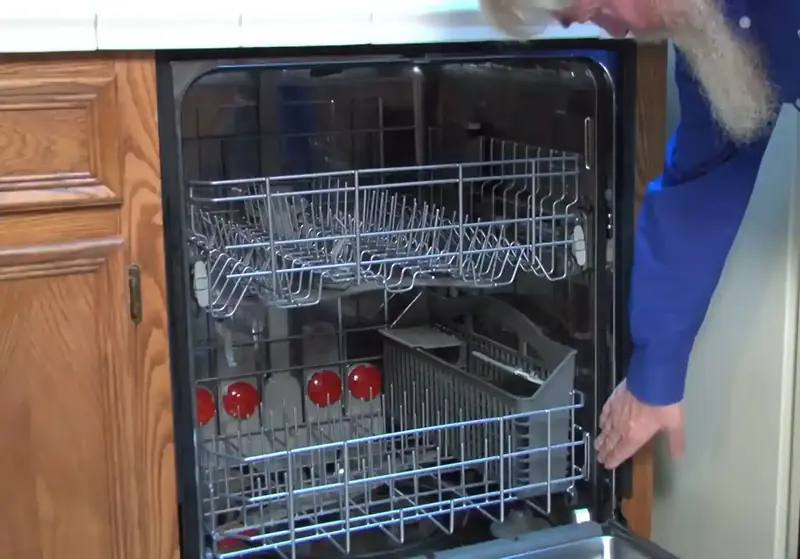
Appliance leaks in Beaverton homes produce water damage in concealed locations -- under the dishwasher, behind the washing machine, beneath the refrigerator -- that can accumulate for weeks before anyone notices the floor warping or a musty odor developing. Unlike a dripping faucet that announces itself immediately, a supply hose weeping at the back of a washing machine loses water in an enclosed laundry closet where no one looks until the damage is significant. Beaverton's persistently humid PNW climate means the enclosed space behind an appliance never fully dries, so even a slow drip establishes mold faster than it would in a drier climate.
Appliance supply hoses are the most replaced item in a plumbing service call in Beaverton. Washing machine supply hoses rated for 10 years are often still in service at 15-20 years in Beaverton homes without anyone noticing they need attention. A hose that has been pressurized continuously for 15 years, cycling between hot and cold with every load of laundry, has aged significantly beyond its rating -- and when these hoses fail, they often fail suddenly and completely rather than gradually. A burst washing machine supply hose in an unattended Beaverton laundry room can release water at the full supply pressure of the supply system until the main is closed -- causing significant floor and subfloor damage in a short period.
Dishwasher Leaks in Beaverton Homes
Dishwasher leaks most commonly occur at the supply connection (the braided supply hose connecting the shutoff valve under the sink to the dishwasher inlet), the door gasket (the rubber perimeter seal that prevents wash water from escaping around the door during the cycle), and the drain hose connection to the disposal or drain line. A dishwasher that pools water on the kitchen floor at the front edge during operation has a door gasket failure. Water that appears under the sink cabinet adjacent to the dishwasher has a supply or drain connection failure.
Older Beaverton dishwashers -- in Cedar Hills and Murray Hill kitchens from the 1990s to early 2000s -- have supply hoses and door gaskets that are now 20-25 years old. Door gaskets in this age range are frequently cracked and no longer sealing the full door perimeter, which produces slow weeping at the door bottom during hot wash cycles. Proactive door gasket replacement during any service call on a dishwasher of this vintage prevents the floor and subfloor damage that a failed gasket eventually produces.
Washing Machine and Refrigerator Leaks
Washing machine supply hoses (both hot and cold) should be replaced on a scheduled basis regardless of visible condition -- the standard recommendation is every 5 years for rubber hoses, or upgrading to stainless-braided supply hoses with a longer rated service life. Washington County homeowners with rubber washing machine hoses that have never been replaced should treat this as a maintenance item rather than waiting for failure.
Refrigerator ice maker supply lines -- typically 1/4-inch copper or plastic tubing connecting a saddle valve at the supply line to the refrigerator inlet -- fail at the saddle valve connection, at the refrigerator inlet valve, or in the tubing body from stress fractures caused by refrigerator movement during cleaning. A refrigerator ice maker leak produces water at the floor behind the unit, which can migrate under the flooring and damage the subfloor without appearing at the kitchen floor surface directly. Our water line leak detection assessment includes checking appliance supply connections when a kitchen water bill spike has no obvious fixture source. For appliance leak assessment throughout Beaverton and Washington County, call (503) 974-3329. We serve homeowners in Cedar Hills and Murray Hill with older appliance installations that have not had supply connections inspected in over a decade.
Frequently Asked Questions
Standard rubber washing machine supply hoses should be replaced every 5 years regardless of visible condition. Stainless-braided supply hoses carry a longer rating (typically 10 years or the life of the machine) but should still be inspected annually at the connection points for corrosion or loosening. A burst washing machine supply hose releases water at full supply pressure and can cause significant floor and subfloor damage in a short period -- particularly in Beaverton homes where the laundry is on an upper floor above finished living space.
Water on the kitchen floor at the front of the dishwasher during or immediately after a cycle most commonly indicates a failed door gasket -- the rubber perimeter seal around the dishwasher door that prevents wash water from escaping during the cycle. Open the dishwasher and inspect the door gasket around its full perimeter for cracks, gaps, or sections that are pulling away from the door frame. A secondary cause is an overfill from a failed float switch that allows the dishwasher to fill too full during the wash cycle, which can force water past even a functional door seal.
Yes. Refrigerator ice maker supply lines connect from a supply valve (often a saddle tap on the cold water line) through 1/4-inch tubing to the refrigerator inlet. A slow leak at any of these connections routes water behind and under the refrigerator, where it can saturate hardwood or laminate flooring and the subfloor below without appearing at the visible floor surface. The first sign is often a soft spot in the flooring near the refrigerator, or discoloration at a floor seam. A refrigerator that has not been moved in several years should be inspected for ice maker supply line condition.
Oregon homeowners policies typically cover sudden and accidental appliance failures -- a washing machine supply hose that bursts suddenly and causes water damage generally has the resulting structural damage covered. Gradual leaks from slow supply hose weeping or door gasket failure that accumulate over months are typically excluded as maintenance issues. The distinction between sudden and gradual is often a matter of documentation timing. A detected slow leak that is not reported immediately may be treated as gradual even if the damage is discovered in a single inspection.
Need Appliance Leak Detection & Repair in Beaverton?
Oregon CCB licensed. Non-invasive detection first. Washington County specialists. 24/7 availability.
(503) 974-33299460 Adams St, Beaverton, OR 97003 | Washington County
Oregon CCB Licensed
Washington County Specialists
Non-Invasive Detection First
Appliance Leak Detection & Repair in Beaverton, OR
Same-day service across Washington County. Non-invasive detection. Oregon licensed.
(503) 974-3329